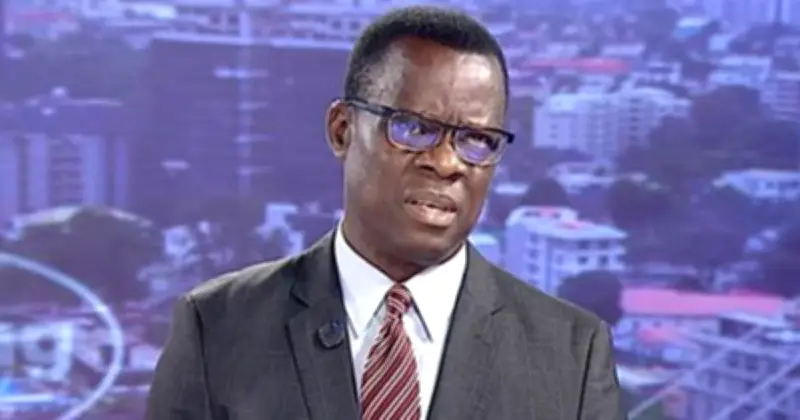
Former Independent National Electoral Commission (INEC) Resident Electoral Commissioner Mike Igini has alleged that politicians infiltrate National Youth Service Corps (NYSC) lists with unauthorised individuals, sew NYSC uniforms for them, and deploy them to polling units to rig elections. He made the claims during an appearance on Arise News’ Morning Show on Tuesday, October 20, 2026, while discussing preparations for the 2027 general elections.
Allegations of Politician Infiltration of NYSC Lists
Igini claimed that politicians manipulate the lists at the state level, introducing unauthorised people who are then presented to INEC as legitimate corps members. He said these individuals are given NYSC uniforms so they can pass as genuine corps members and work at polling units to rig the election. “What happened is that politicians infiltrate those agencies. They infiltrate those agencies and create liability for the INEC itself as an institution. The laws are no longer enforced. That is my greatest worry about this election,” Igini said.
He explained that people are brought onto the lists to conduct elections at polling units through compromised processes before being presented to INEC as election personnel. “What [politicians] do is that they will infiltrate the list, either at the state level. They would bring in people, [and] sew NYSC uniforms for them,” he said.
Call for NYSC Verification and Oversight
Igini called on the Director-General of the NYSC to certify the integrity of the lists submitted for election duties. He said the problem requires greater scrutiny of recruitment lists and stronger supervision, rather than focusing only on senior INEC officials who may not be directly involved in conducting elections on voting day.
Drawing on his experience as a former electoral commissioner, Igini said he had encountered questionable names on lists submitted for election-related assignments. He recalled an incident during preparations for an election in Akwa Ibom State in 2019, when people who presented as university staff were found on a list submitted for training, including a market woman who said her name had been included. Igini said he halted the training after the discovery, describing it as an example of why electoral officials must verify the identities and eligibility of people selected for election duties.
Technology and Voter Vigilance for 2027
The former INEC commissioner also called for greater use of technology to strengthen electoral transparency and reduce opportunities for manipulation. He warned that organisations that fail to embrace technology risk being overtaken by disorder and institutional decline. Igini also sought to reassure voters that polling units remain an important point of protection for the electoral process because voters generally outnumber the officials assigned to conduct elections. He said Nigeria has 176,846 polling units, with four officials assigned to each unit, arguing that voters have significant power to monitor what happens where they cast their ballots.
Igini encouraged voters and political parties to pay attention to the voting and counting processes, including the documentation of results announced at polling units. His comments come as preparations continue for the 2027 general elections, with questions about electoral transparency, the recruitment of ad hoc officials and the protection of votes likely to remain central to public debate. The allegations have not, in themselves, established that the people Igini described successfully manipulated any particular election. They raise questions about how NYSC and INEC verify the identities and eligibility of people recruited for electoral duties.