Kano APC and NNPP Engage in Heated Exchange Over Ministry Dissolution and Violence Claims
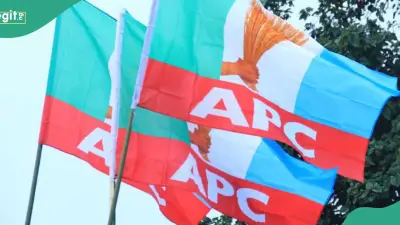
The political landscape in Kano State has intensified as the ruling All Progressives Congress (APC) and the opposition New Nigeria People’s Party (NNPP) trade sharp accusations regarding the dissolution of the Ministry of Higher Education and alleged violent disruptions at a political gathering. This clash highlights deepening tensions ahead of potential electoral contests, with both sides firmly denying wrongdoing and pointing fingers at internal rivalries.
Allegations of Political Violence in Rogo Community
In a statement issued by its spokesperson, Dr. Habibu Sale Mohammed, the NNPP, through its Kwankwasiyya movement, accused APC-linked political thugs of violently disrupting a peaceful gathering in the Ruwan Bago area of Rogo community over the weekend. The event was organized to formally welcome prominent defectors from the Peoples Democratic Party (PDP) into the NNPP, with security agencies reportedly notified in advance.
According to Mohammed, the attack resulted in injuries to more than 11 individuals, including the NNPP chairman for the Rogo council area and a former National Assembly candidate who had defected from the PDP. Additionally, three vehicles and other property belonging to members were vandalized during the incident. He described this as a premeditated act of political intimidation aimed at stifling defections and curbing support for the Kwankwasiyya movement in the state.
APC Dismisses Claims and Points to Internal NNPP Crisis
In a swift rebuttal, APC Publicity Secretary in Kano State, Auwalu Soja Gwale, issued a statement categorically denying the allegations. He labeled them as false, fabricated, and deliberately intended to tarnish the image of the ruling party. Gwale emphasized that the APC is a law-abiding organization committed to peaceful democratic engagement and respectful political competition, asserting that it has never sanctioned or encouraged violence against opposition members.
Gwale expressed surprise that the NNPP chose to blame the APC instead of addressing what he termed internal tensions within its own ranks, stemming from alleged defections and political realignments. He suggested that the accusation might be a diversionary tactic to mask internal discord and leadership struggles within the Kwankwasiyya movement.
Controversy Over Dissolution of Ministry of Higher Education
Adding to the political friction, the Kwankwasiyya movement has strongly criticized the state government's decision to dissolve the Ministry of Higher Education and merge it with the Ministry of Education. In another statement, spokesperson Mohammed argued that the move is politically motivated, reflecting a decline in governance priorities rather than genuine administrative reform.
Mohammed contended that the government's explanation of administrative restructuring does not hold up, noting that the ministry had been systematically weakened over the past year through a series of decisions that stripped it of agencies and responsibilities. He linked the dissolution to the ongoing political situation involving Deputy Governor Aminu Abdussalam Gwarzo, who had been overseeing the ministry, suggesting it confirms that political considerations are increasingly overshadowing public interest in state governance.
Broader Implications for Kano State Politics
This exchange underscores the volatile nature of Kano's political environment, where accusations of violence and administrative decisions are often intertwined with partisan rivalries. The dissolution of the Ministry of Higher Education raises questions about the state's commitment to educational development, while the violence allegations highlight concerns over political intolerance and security during gatherings.
As both parties dig in their heels, the situation may escalate further, potentially affecting public trust and stability in the region. Observers warn that such conflicts could undermine democratic processes and hinder effective governance if not addressed through dialogue and transparency.