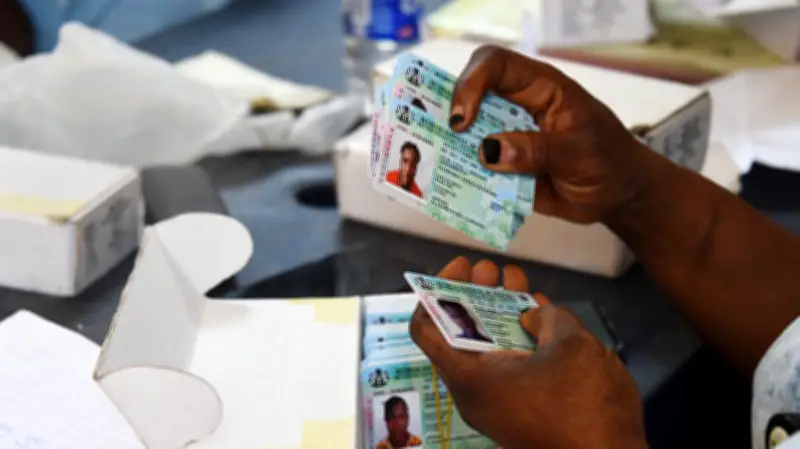
Thousands of Nigerians, particularly young people, persons with disabilities (PWDs), civil society organisations, and democracy advocates, have long argued that citizens should not lose their constitutional right to vote simply because a Permanent Voter Card (PVC) is lost, damaged, destroyed, or inaccessible. The introduction of downloadable PVCs in the Electoral Act 2026 therefore represents a major victory for electoral inclusion and one of the most citizen-focused reforms in Nigeria’s recent democratic history.
By introducing downloadable PVCs into the electoral framework, the Act signalled a shift toward a more accessible and technology-driven voting process. The Independent National Electoral Commission (INEC) has since incorporated the provision into its Regulations and Guidelines for the Conduct of Elections 2026.
For young voters who frequently relocate for education, employment, or national service, and for persons with disabilities who often face barriers in accessing electoral services, this reform has the potential to remove a longstanding obstacle to participation. It also reflects a transition from treating the physical PVC as the sole gateway to voting toward a system where voter registration and biometric verification through the Bimodal Voter Accreditation System (BVAS) become the primary basis for electoral participation.
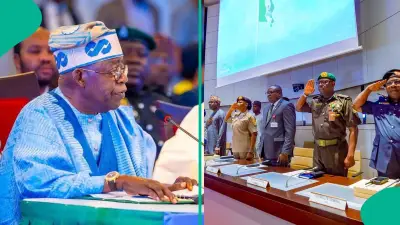
At a welcome ceremony held for the INEC Chairman, Prof. Joash Amupitan, at the Commission’s headquarters in Ekiti State on May 20, the Chairman confirmed that voters who request downloadable PVCs would be eligible to participate in the upcoming governorship elections in Ekiti and Osun states, as well as the 2027 general elections, using the new provision.
However, with less than 10 days to the Ekiti governorship election, INEC is yet to issue clear guidelines explaining how eligible voters can access, download, print, or use downloadable PVCs. If this gap is not urgently addressed, many voters may be unable to take advantage of the reform during the 2026 off-cycle governorship elections in Ekiti and Osun states, as well as the 2027 general elections. The absence of clear public information also risks creating confusion among voters and electoral officials on election day.
As the Continuous Voter Registration (CVR) exercise for the 2027 general elections approaches its July 30 deadline, and the Ekiti and Osun governorship elections draw closer, the urgency for INEC to provide a practical framework for downloadable PVCs has become even more pressing. This reform was designed to expand voter access, reduce disenfranchisement, and increase participation among young people and PWDs. However, without immediate implementation guidelines, it may fail to achieve its intended purpose during the scheduled 2026 and 2027 elections.
While the National Assembly and INEC deserve commendation for introducing downloadable PVCs, many citizens — especially young Nigerians — will be disappointed if the innovation is not fully operationalised in time for the upcoming elections.
What the Electoral Act 2026 Says
In introducing downloadable PVCs for the first time in Nigeria’s electoral process, Section 18(1) of the Electoral Act 2026 states: “Provided that nothing in this section shall prevent the owner of such card from printing a downloadable copy.”
Although legal analysts continue to debate the exact interpretation of the provision, INEC has already integrated downloadable PVCs into its electoral framework. Under Clause 5(iv) of the Regulations and Guidelines for the Conduct of Elections 2026, a person is eligible to vote if he or she presents: “a valid Permanent Voter Card (PVC)/a downloadable copy.” The same language appears throughout the accreditation and voting procedures, where election officials are instructed to verify a voter’s “PVC/downloadable copy” before BVAS authentication.
In effect, the debate is no longer whether downloadable PVCs are recognised. INEC has already operationalised the concept within its regulations. The real challenge is whether citizens know how to obtain and use them. At present, there is no publicly known website, application, or digital portal through which eligible voters can access downloadable PVCs.
Recommendations For Eligible Voters
Citizens, particularly young people whose PVCs have been lost, damaged, defaced, torn, or destroyed, should approach INEC at least 90 days before election day. Affected voters should apply in person to the Electoral Officer or any officer authorised by the Resident Electoral Commissioner, clearly stating the circumstances surrounding the loss or damage of their PVCs. Taking this proactive step will help ensure they can obtain downloadable PVCs in time to participate fully in the 2027 general elections.
For INEC
INEC should urgently provide additional information addressing at least five critical areas: First, eligibility: The Commission should clearly define who qualifies for downloadable PVCs and under what conditions. Second, access: INEC should establish and publicise a secure digital platform through which eligible voters can obtain downloadable PVCs. Third, security: Citizens need assurance that downloadable PVCs contain verifiable security features capable of preventing forgery or abuse. Fourth, verification: INEC should clearly explain how electoral officials will authenticate downloadable PVCs during accreditation. Fifth, voter education: A nationwide voter education campaign should accompany the rollout to ensure citizens understand the process and requirements.
Conclusion
The debate over downloadable PVCs is not ultimately about technology. It is about whether Nigeria is willing to remove unnecessary barriers between citizens and their constitutional right to vote. Ensuring timely, secure, and accessible access to downloadable PVCs would represent an important step toward strengthening citizen participation — one of the core pillars of democracy. With the 2026 off-cycle governorship elections in Ekiti and Osun states approaching rapidly, alongside the 2027 general elections, INEC must act urgently to ensure this important electoral reform delivers on its promise.
Aladejate-Salako is the South-West Coordinator, Youth Electoral Reform Project (YERP-Naija).