National Assembly Reconvenes to Review 2027 Election Dates Over Ramadan Conflict
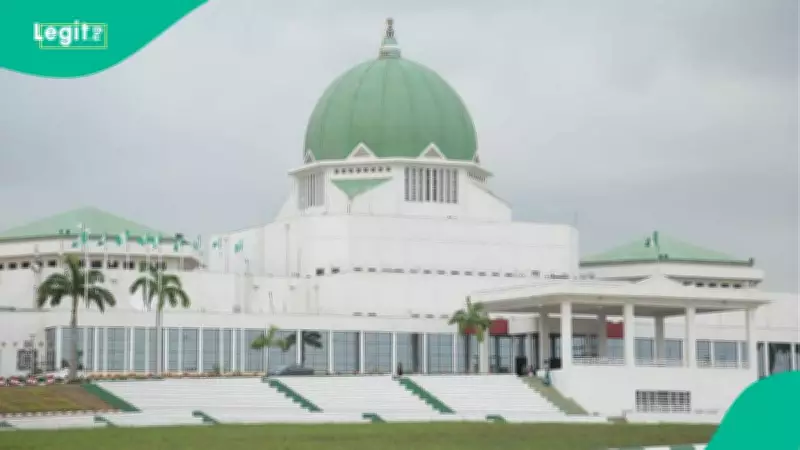
The National Assembly has announced it will reconvene for an emergency plenary session on Tuesday, February 17, 2026, cutting short its recess to address concerns surrounding the scheduled dates for the 2027 general elections. This move comes amid growing indications that lawmakers may review and potentially reschedule the presidential election due to its overlap with the Muslim fasting period of Ramadan.
INEC's Original Schedule and Constitutional Compliance
The Independent National Electoral Commission had previously announced on Friday, February 13, 2026, that presidential and National Assembly elections would take place on February 20, 2027, while governorship and State Houses of Assembly polls were scheduled for March 6, 2027. INEC stated these dates were selected in strict accordance with the provisions of the 1999 Constitution of Nigeria, as amended, which mandates specific timelines for electoral processes.
However, this timetable has sparked significant controversy because Ramadan is projected to begin around February 8 and conclude approximately March 10, 2027. This means both election dates would fall squarely within the Muslim fasting period, raising concerns about voter participation, security arrangements, and logistical challenges during this religious observance.
Proposed New Date and Legislative Action
According to reports from The Punch newspaper on Monday, February 16, 2026, the National Assembly is considering shifting the presidential election to February 13, 2027. This earlier date would place the election just before the anticipated start of Ramadan, potentially alleviating some of the concerns about the overlap.
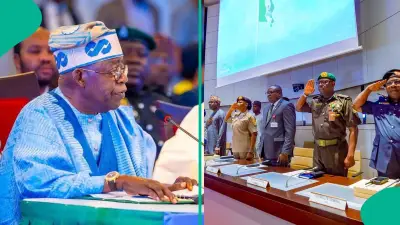
In an official notice signed by Kamoru Ogunlana, the Clerk to the National Assembly, senators and members of the House of Representatives were directed to resume sitting at 11:00 am on February 17, 2026. The notice emphasized that "very crucial decisions" are expected to be taken during this emergency session, requiring all legislators to adjust their schedules accordingly.
The notice specifically stated: "I am directed to inform all Distinguished Senators and Honourable Members of the National Assembly that the Senate and House of Representatives shall reconvene plenary session at 11:00 am on Tuesday, 17th February 2026, respectively."
Religious Perspectives on Election Timing
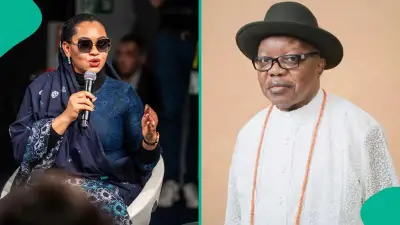
Meanwhile, Prophet Sam Olu Alo, the Planter of Adamimogo Grace of Mercy Prayer Mountain Worldwide, has publicly supported INEC's original election dates. The cleric argued that conducting elections during the Muslim fasting period could actually serve Nigeria's best interests by promoting truthfulness and reducing electoral malpractice.
Prophet Alo questioned why similar objections weren't raised when elections were scheduled during Christian fasting periods, including Easter observances. He stated: "My advice is that in fasting we promote the truth and that won't give room for us to manipulate things. I am of the view that the election is okay during the fasting period because this will further assist us to prayerfully elect our next leaders."
The cleric further emphasized: "We should not make any issue out of the fixing of the date of the next year's general elections. Elections have been fixed during the fasting, and no one raised an alarm on that. Why should we now make so much noise when it falls on the Muslim fasting period?"
Budgetary Preparations for 2027 Elections
Separately, INEC has already proposed a comprehensive budget of N873.78 billion for the conduct of the 2027 general elections. Professor Joash Amupitan, the INEC chairman, confirmed that preparations have commenced in line with statutory requirements mandating that election funding be appropriated at least 360 days before the scheduled election date.
This early budgetary planning demonstrates INEC's commitment to ensuring adequate resources for what promises to be a complex electoral process, regardless of the final dates determined through legislative review.
Implications for Nigeria's Democratic Process
The National Assembly's intervention highlights the ongoing tension between constitutional electoral timelines and religious considerations in Nigeria's diverse society. As Africa's largest democracy prepares for another crucial election cycle, the balancing of legal requirements with cultural and religious sensitivities remains a significant challenge for electoral authorities and lawmakers alike.
The emergency session's outcome will be closely watched by political observers, religious groups, and international partners, as it could set important precedents for how Nigeria manages similar conflicts between electoral schedules and religious observances in future election cycles.