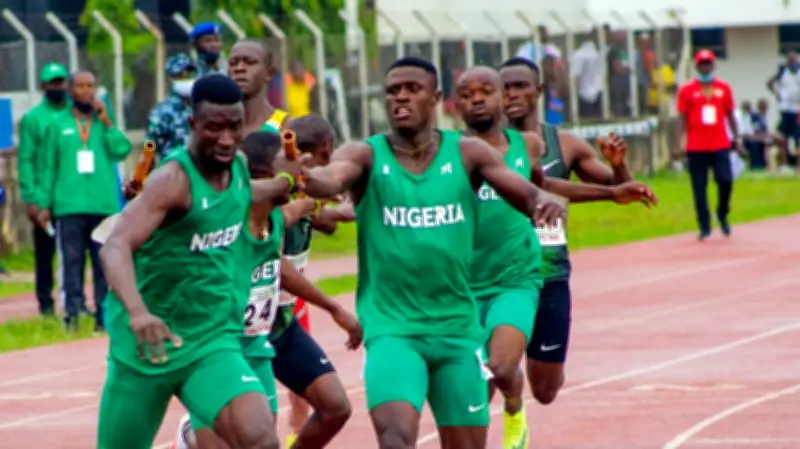
Nigeria's failure to produce a polished, bespoke proposal for the 2031 African Games has cost it the hosting rights, with the country settling for an allegedly sloppy, copied-and-pasted bid document. The document, described as untidy and poorly prepared, contained numerous errors, contributing significantly to Uganda being awarded the hosting rights.
Bid Document Flaws
Reports indicate that Nigeria's bid was dismissed for being error-laden. The document appeared to have been copied from Nigeria's failed attempt to host the 2030 Commonwealth Games, with elementary mistakes such as failing to update reference numbers. This oversight cast serious doubt on Nigeria's readiness and credibility to organize the continent's premier multi-sport event.
NSC's Response
Despite these reports, the National Sports Commission (NSC) stated yesterday that it had withdrawn interest in bidding for the 2031 African Games long ago. However, the NSC failed to specify when this loss of interest occurred or if the appropriate authorities were informed. The NSC's declaration came just as Uganda was declared host country during the Extraordinary Session of the African Union Specialised Technical Committee on Youth, Culture and Sports (STC-YCS5), held virtually on June 2, 2026.
An NSC official said, Anyone saying that Nigeria lost the bid to host the 2031 African Games is not fair to us because the NSC has since made its position known that we are no longer interested in bidding for the Games.
Uganda's Victory
The decision to award the hosting rights to Uganda reflects strong confidence in the East African nation's capacity to deliver a successful and impactful tournament. This marks a significant milestone for Uganda, which now prepares to welcome athletes from across the continent in what promises to be a landmark event for African sport.
Other Developments
The session also saw ministers adopt the Revised African Games Fundamental Regulations, aimed at strengthening governance, transparency, and operational efficiency in the organization of the Games. Member states reaffirmed their commitment to international anti-doping standards, emphasizing timely contributions to the World Anti-Doping Agency (WADA) and the importance of clean sport across Africa.
As the meeting concluded, ministers renewed their collective pledge to advance youth empowerment, promote cultural exchange, and harness the transformative power of sport as a driver of socio-economic development, in line with the aspirations of Agenda 2063.