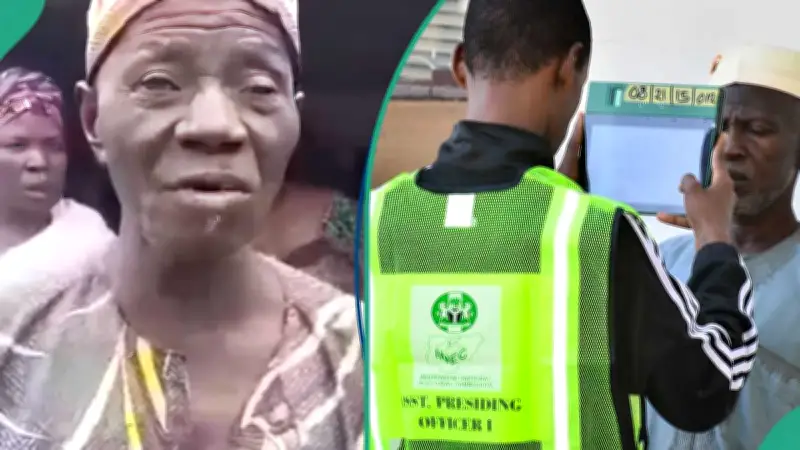
A 55-year-old voter, Sharafa Lasisi, was unable to cast his ballot during the Osun State governorship election on Saturday, August 15, 2026, after the Bimodal Voter Accreditation System (BVAS) repeatedly failed to verify his face at his polling unit in Ikirun.
BVAS Failure and Network Issues
Lasisi attempted accreditation at Polling Unit 006, Ward 04, in the Isale/Oke-Afo area of Ikirun, Ifelodun Local Government Area. However, the BVAS machine could not complete facial recognition on multiple occasions, according to Punch reports.
Election officials at the polling unit told Lasisi that a poor network connection was preventing the system from processing his verification. They advised him to leave, get something to eat, and return when conditions improved. Lasisi followed those instructions and came back, but the second attempt also failed.
Voter's Appeal to INEC
Speaking directly to reporters at the scene, Lasisi said: "My name is Sharafa Lasisi. I am from Alamisi Unit 6. I am 55 years old. I have been to where they are supposed to verify my face but they said the network isn't letting the verification go through. They said I should go and eat at home. I went and came back and it still didn't go through. I want them to help me so I will be able to cast my vote also."
Lasisi appealed directly to the Independent National Electoral Commission (INEC) to resolve the situation and ensure he was not denied his right to vote. His case raised concerns about the reliability of BVAS technology in areas with weak network coverage, and whether affected voters would have any recourse on election day.
Context of the Osun Governorship Election
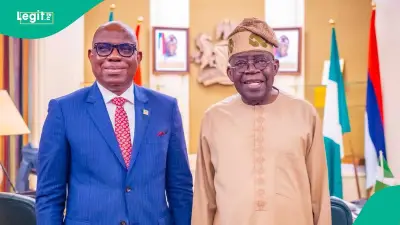
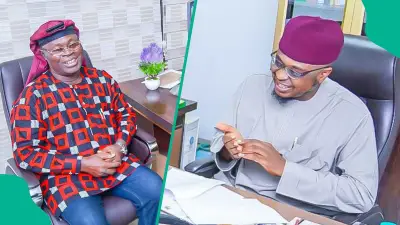
The incident unfolded as voters turned out across Osun State to choose the next governor. The election featured 14 candidates on the ballot, with three major contenders: incumbent Governor Ademola Adeleke of the Accord Party, Bola Oyebamiji of the All Progressives Congress (APC), and Najeem Salam of the African Democratic Congress (ADC).
As of the time of reporting, it remained unclear whether Lasisi was eventually able to vote, but his experience highlighted potential challenges for voters in areas with network limitations.