Primate Ayodele's 2027 Election Prophecy: INEC and Judiciary to Determine Outcome
Primate Babatunde Elijah Ayodele, the founder and head of INRI Evangelical Spiritual Church in Oke Afa, Lagos State, has issued a significant prophecy regarding Nigeria's upcoming 2027 general elections. In a statement released on Sunday, March 15, 2026, and signed by his media aide Osho Oluwatosin, the prominent cleric declared that the Independent National Electoral Commission (INEC) and the Nigerian judiciary will be the decisive factors in determining the election's winner, rather than the voters themselves.
Detailed Prophetic Warnings About Electoral Process
Ayodele specifically warned that there will be serious misinterpretations of both Nigeria's constitution and the Electoral Act concerning how the election is conducted. He emphasized that the presidential election in particular could trigger a post-election crisis if proper precautions are not taken. The cleric stated clearly: "The judiciary and INEC will pay for the coming election dearly because the electoral commission will face embarrassment and humiliation. The INEC will be involved in electoral malpractices in 2027."
Furthermore, Ayodele predicted technological disruptions during the electoral process, mentioning that "we will hear about hacking and internet disruption towards the election." He reinforced his central message by adding: "INEC and Judiciary will conclude the election, don't expect much from voters." This suggests a scenario where electoral institutions rather than citizen participation will shape the final outcome.
Growing Public Distrust in Electoral Institutions
The Lagos-based spiritual leader expressed concern about declining public confidence in Nigeria's judicial system following the election. He warned that "people will see the judiciary as an error because they won't want to listen to them, because there will be misinterpretation of the electoral process during and after the election." Ayodele also predicted that those responsible for formulating the Electoral Act would face significant backlash, stating that "people who formulate the process of this electoral act will be stranded because Nigerians will rise against them."
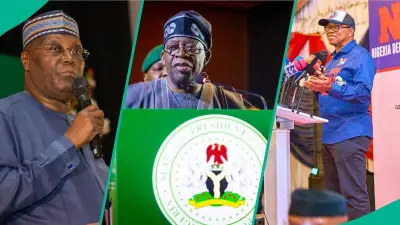
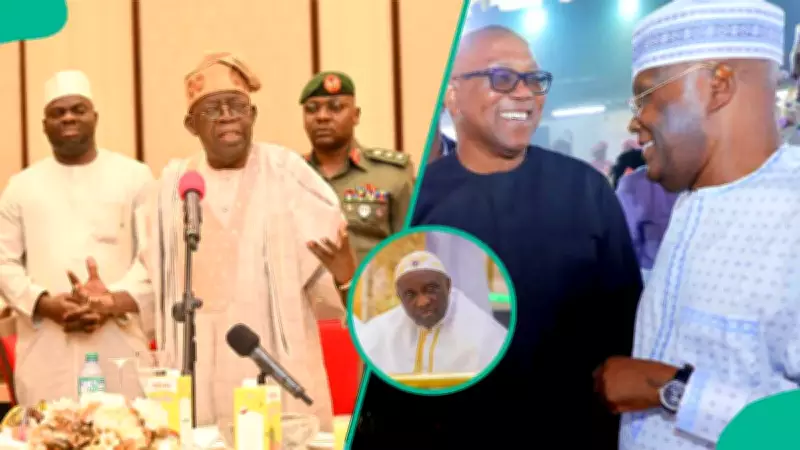
This prophecy comes amid ongoing national discussions about electoral reforms and transparency in Nigeria's democratic processes. The 2027 election is expected to feature prominent political figures including President Bola Tinubu, former Vice President Atiku Abubakar, and former Anambra State governor Peter Obi, making the electoral process particularly significant.
Call to Action for Civil Society Organizations
Primate Ayodele issued a direct appeal to activists and civil society groups, urging them to prepare thoroughly for monitoring the election results. He emphasized: "Civil societies, activists need to do a lot if we want to know who wins to be announced." The cleric further cautioned about the potential aftermath, stating: "We should be careful of the post-election crisis because after the presidential election, things are going to change."
Ayodele also highlighted that "the electorate will not want to believe in the judiciary; they will begin to twist the constitution," indicating a possible erosion of institutional trust among Nigerian voters. These warnings come as Nigeria continues to grapple with challenges related to electoral integrity and public confidence in democratic institutions.
Broader Context of Ayodele's Prophetic Ministry
This latest prophecy follows previous warnings issued by Primate Ayodele regarding Nigeria's political landscape. Earlier, he had cautioned presidential appointees including Bashir Adeniyi, Comptroller-General of the Nigeria Customs Service, and Nwakuche Ndidi, Controller-General of the Nigerian Correctional Service, that they could face dismissal if not careful in their duties. The cleric claimed both officials had been earmarked for removal by President Tinubu before the end of the current administration.
Ayodele's prophecies often generate significant public discussion in Nigeria, where spiritual guidance frequently intersects with political discourse. His latest predictions about the 2027 elections highlight ongoing concerns about electoral transparency, institutional integrity, and the potential for post-election instability in Africa's most populous nation.