Prophet Forecasts Tinubu's 2027 Re-election Amid Opposition Challenges
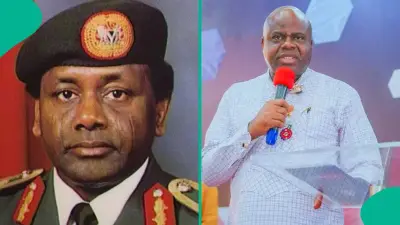
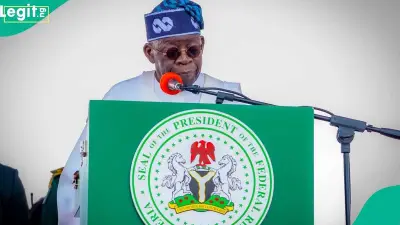
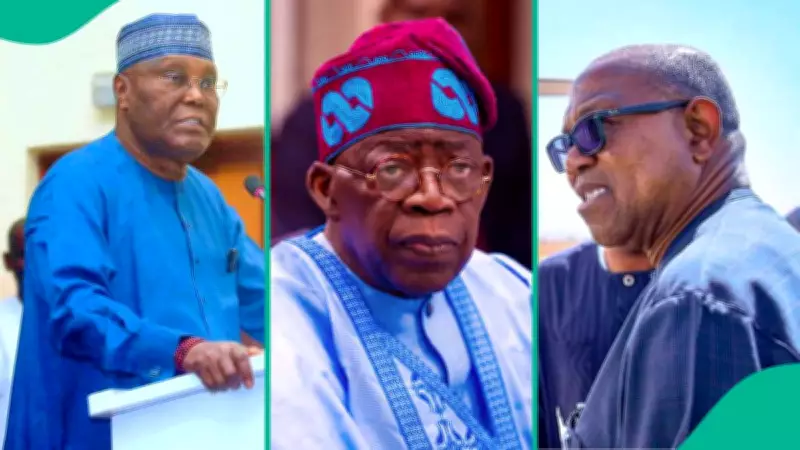
In a significant development ahead of the 2027 general elections, Prophet Godwin Ikuru, founder of the Jehovah Eye Salvation Ministry, has publicly declared that President Bola Ahmed Tinubu will secure a second term in office. This prediction comes as opposition leaders, including former Vice President Atiku Abubakar and ex-Anambra governor Peter Obi, intensify their efforts to unseat the incumbent president.
Prophet's Bold Declaration on Tinubu's Political Future
Speaking through a video shared on his verified Facebook page, Prophet Ikuru described President Tinubu as the most formidable candidate for the upcoming presidential contest. "Some people say Asiwaju will not win 2027. Save your lie; he is still the man. Asiwaju still remains the man," the prophet asserted, using Tinubu's traditional Yoruba title to emphasize his point.
The religious leader's pronouncement adds a spiritual dimension to the political discourse surrounding Nigeria's 2027 elections, potentially influencing voter perceptions and campaign strategies in the months ahead.
Opposition Coalition Prepares for Historic Battle
Legit.ng reports indicate that opposition forces are mobilizing for what many describe as the most significant political challenge of their careers. Atiku Abubakar, Peter Obi, and other opposition leaders are preparing to confront a political figure often characterized as a dominant force in Nigerian politics.
Despite facing substantial security challenges during his first term, President Tinubu maintains widespread recognition as the candidate to defeat in the upcoming election. His political machinery, built over decades of experience, presents a formidable obstacle for any challenger.
Political Landscape Shifts with Party Realignments
The political terrain is experiencing notable transformations as the African Democratic Congress (ADC) gains momentum with high-profile defections from established parties. Meanwhile, the Peoples Democratic Party (PDP), traditionally considered the main opposition, faces internal fragmentation that threatens its electoral viability.
Within the PDP, competing factions led by Kabiru Turaki (SAN) and Nyesom Wike, the Federal Capital Territory Minister, continue to struggle for control and legitimacy. These internal divisions could potentially weaken the party's ability to mount a unified challenge against the ruling All Progressives Congress (APC).
Electoral Commission Sets 2027 Election Date
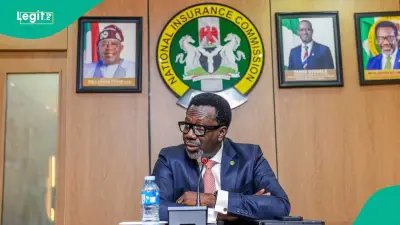
The Independent National Electoral Commission (INEC) has officially scheduled the 2027 presidential and National Assembly elections for Saturday, February 20, 2027. INEC Chairman Joash Amupitan announced the timetable during a press conference in Abuja, adhering to constitutional requirements that mandate election notices be published at least 360 days before the appointed date.
This announcement occurs alongside ongoing legislative debates concerning the Electoral Amendment Bill currently before the National Assembly, adding another layer of complexity to the pre-election environment.
Opposition Strategies and Ethnic Considerations
Prominent opposition figure Dele Momodu has emphasized the need for strategic thinking among opposition leaders. In statements made on his verified social media account, Momodu acknowledged the challenges posed by defections from the PDP to the ruling APC while suggesting that opposition forces might need to leverage ethnic and religious considerations to mount an effective challenge against President Tinubu.
Both the ADC and PDP have publicly committed to defeating President Tinubu and the APC in the 2027 elections, setting the stage for a highly competitive political contest that will test Nigeria's democratic institutions and processes.
As the 2027 election approaches, these developments highlight the dynamic nature of Nigerian politics, where religious prophecies, party realignments, and strategic calculations intersect to shape the country's political future.