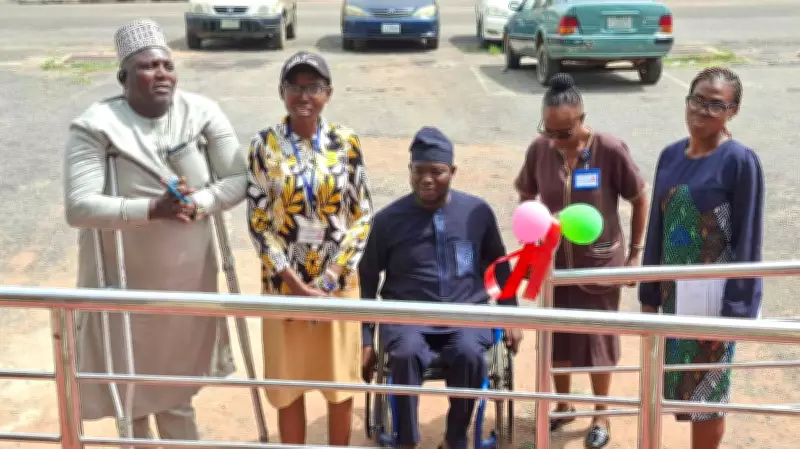
The Joint National Association of Persons with Disabilities (JONAPWD) has launched the Able2Run campaign, demanding greater political inclusion for persons with disabilities (PWDs) in Nigeria. Jake Epelle, founder of The Albino Foundation, emphasized that Nigeria's democracy remains incomplete without active PWD participation in elective positions.
Campaign Launch in Abuja
Speaking at the launch in Abuja, Epelle stated that the campaign aims to encourage PWDs not only to vote but also to contest and emerge as leaders at all governance levels. He lamented that despite constituting an estimated 35 million people, PWDs are largely excluded from political representation.
"The time has come for persons with disabilities to move from the margins of political participation to the centre of democratic leadership," he said.
Population Comparison
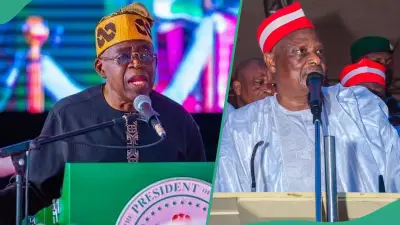
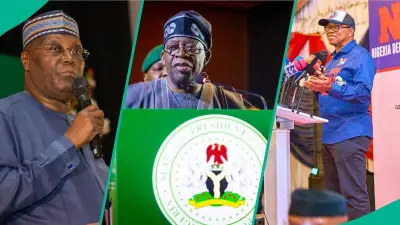
Epelle noted that the PWD population in Nigeria exceeds the votes that brought President Bola Ahmed Tinubu to power in the 2023 presidential election. "The democracy in Nigeria is currently missing nearly 35 million voices. Yet, we don't have proper representation," he stated.
He criticized tokenism in political appointments for PWDs, noting that over 99% of positions occupied by them are appointive rather than elective. "We are tired of being given token positions like Special Assistant on Disability Matters without real participation in governance," he added.
Call for Party Inclusion
Epelle urged political parties to mainstream disability inclusion in their internal structures and decision-making processes, stressing that disability desk officers should themselves be persons with disabilities.
The campaign, supported by the European Union under the EU Support to Democratic Governance in Nigeria Programme, aims to deepen conversations around disability inclusion and dismantle stereotypes linking disability with incapacity.
Mentorship Programme
TAF Africa, represented by Esrom Ajanya from The Kukah Centre, said the initiative would establish virtual political incubation hubs across Nigeria's six geopolitical zones and mentor at least 180 aspiring politicians with disabilities.
Findings from national studies between 2019 and 2025 showed that only four PWDs occupied elective political offices at federal, state, and local government levels. None of these elected officials were women with disabilities.
"Over 99% of positions occupied by PWDs are appointive rather than elective, with more than half serving as Special Advisers or Special Assistants on Disability Matters," the statement noted.
Electoral Data Concerns
TAF Africa raised concerns over poor disability-disaggregated electoral data, noting that current Independent National Electoral Commission records reflect fewer than 100,000 registered voters with disability data.
The organization called on political parties to adopt affirmative action measures, waive nomination fees for aspirants with disabilities, and make party activities accessible through braille, audio, and large-print formats. It also urged the Federal and state governments to fully implement the Discrimination Against Persons with Disabilities (Prohibition) Act 2018.
Advocates Speak
Disability rights advocate Egede Chioma said PWDs possess the intellectual capacity to participate fully in governance and should not be treated with pity. "The lesson is that persons with disabilities are able and capable to participate in the electoral system. It is not a thing of pity; it is about ability and competence," she said.
Aduku Emmanuel, a governorship aspirant living with disability from Kogi State, said his participation in the 2023 elections inspired more PWDs to seek elective positions. He expressed optimism that more political parties would provide opportunities for aspirants with disabilities ahead of future elections.
The campaign organizers said the mentorship programme would provide training in leadership, campaign financing, voter mobilization, media engagement, and inclusive governance.