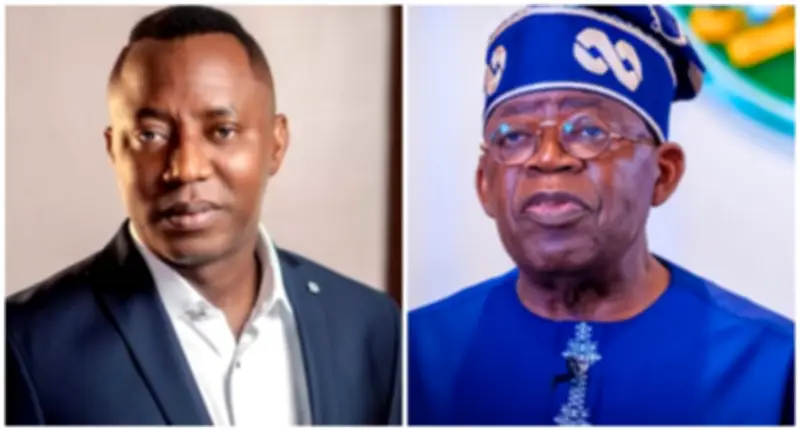
Omoyele Sowore, the presidential candidate of the African Action Congress (AAC), has criticised President Bola Tinubu for failing to attend the signing of the National Peace Accord ahead of the 2027 general elections. Speaking to Channels TV on Thursday, August 19, Sowore argued that the president's absence demonstrated that he did not consider the peace pact a serious affair.
Peace Accord Signing Draws Opposition Candidates
The peace accord signing ceremony took place in Abuja on Tuesday, August 18, 2026. Presidential candidates including Sowore, Peter Obi of the Labour Party, Donald Duke of the Social Democratic Party, and others were present to affix their signatures to the document. President Tinubu, however, was represented at the ceremony by the Secretary to the Government of the Federation, George Akume.
Sowore contended that the president, as Commander-in-Chief of the Armed Forces, should have personally attended the ceremony to demonstrate his commitment to preventing electoral violence. He argued that Tinubu's physical presence would have given the accord greater moral weight and shown that the government was genuinely committed to the principles contained in the agreement.
Sowore Questions President's Commitment
In his interview with Channels TV, Sowore stated: “I told them (opposition) that whatever they signed there was null and void because they are not parties to the election. In all the candidates in this election, the President of Nigeria is the number one controller of violence, officially, because he is Commander-in-Chief for good and for bad. So, if he is not there, it shows that this is not a serious affair.”
The AAC candidate further argued that the president's absence undermined the credibility of the entire process. “He should have shown example as a leader to say, if this thing is going to be done 20 times, I will be there to approve my signature on paper if you believe in it. This shows he doesn't even believe in what we are doing. If you are serious with non-violence, it should start with the Head of State, Commander-in-Chief of the Armed Forces. It will give moral support to whatever was being done yesterday,” Sowore said.
Impact on Electoral Credibility
According to Sowore, the president's absence sends a troubling signal about the government's seriousness regarding peaceful elections. He insisted that the Commander-in-Chief bears primary responsibility for setting the tone on non-violence, and that delegating attendance to a representative diminished the accord's significance. The National Peace Accord, organised by the National Peace Committee, is intended to secure commitments from political leaders to refrain from hate speech, incitement, and violence during election campaigns. Critics argue that without the president's personal endorsement, the pact may lack the authority needed to deter electoral misconduct.