
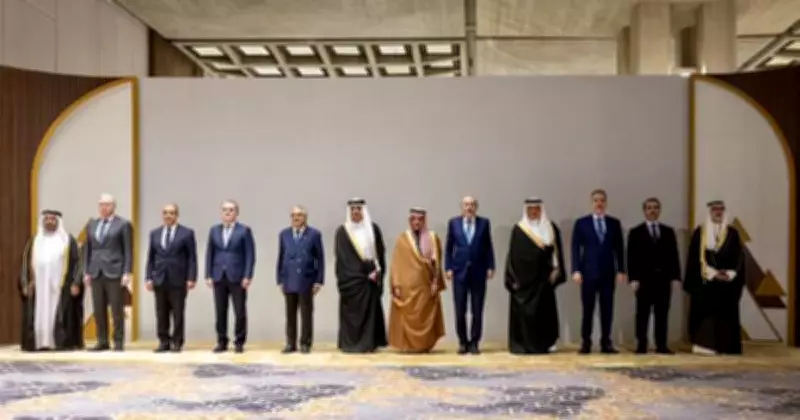
Arab and Islamic Nations Unite to Demand Iran Cease Regional Attacks
Foreign ministers from across the Arab and Islamic world have issued a strong and unified warning to Iran, demanding an immediate halt to its recent wave of missile and drone attacks. This call to action followed a high-level emergency consultative meeting held in Riyadh, reflecting growing alarm over escalating tensions and the potential for a wider regional conflict.
Emergency Meeting in Riyadh Yields Joint Condemnation
The emergency meeting brought together top diplomats from a coalition of nations, including Saudi Arabia, Qatar, Egypt, Turkey, the United Arab Emirates, Pakistan, and Jordan. Their joint statement represents a significant moment of alignment on a deeply sensitive geopolitical issue, as these countries collectively condemned Iran's recent strikes.
The ministers stated that Iran's actions have targeted critical infrastructure and civilian areas across multiple countries. Facilities such as oil installations, airports, residential zones, and diplomatic missions were reportedly affected, raising serious concerns about civilian safety, economic stability, and violations of international law.
Coalition Warns of Broader Consequences
The coalition of nations made it unequivocally clear that such aggressive actions are unacceptable. They urged Iran to "immediately halt" all military operations, stressing that continued aggression not only undermines regional security but also poses a direct threat to global energy supplies and key maritime routes, particularly around the strategically vital Strait of Hormuz.
Beyond the condemnation, the ministers emphasized the fundamental importance of respecting national sovereignty and avoiding interference in the internal affairs of other sovereign states. They issued a stark warning that ongoing attacks could further isolate Iran diplomatically and severely worsen already strained relations with its neighboring countries.
Commitment to De-escalation with a Firm Stance
The meeting also highlighted a shared commitment among the participating countries to pursue de-escalation and diplomatic dialogue as the preferred path forward. However, there was a firm and unmistakable undertone in the discussions, indicating that nations reserve the right to defend themselves if provoked, signaling that regional patience may be wearing thin.
This development comes at a time of heightened instability and volatility in the Middle East, with tensions involving Iran, Israel, and various Western powers continuing to rise sharply. Analysts note that the unified stance from this broad coalition of Arab and Islamic countries is particularly significant, as it reflects a rare moment of concerted action on an issue that often divides the region.
As the situation continues to unfold dynamically, international observers and regional stakeholders remain focused intently on Iran's next move. Whether Tehran chooses to scale back its military actions or continue on its current confrontational path could critically determine if the region moves toward peaceful diplomacy or slips further into dangerous and widespread conflict.




