Ghana Calls for United Nations Investigation Following Missile Strikes on Peacekeeping Battalion in Lebanon
The government of Ghana has issued a formal demand to the United Nations for an immediate, impartial, and transparent investigation into missile attacks that targeted its peacekeeping battalion headquarters in Lebanon. This urgent call comes after two separate missile strikes inflicted severe damage on the base, resulting in critical injuries to personnel and significant structural destruction.
Details of the Attack and Casualties
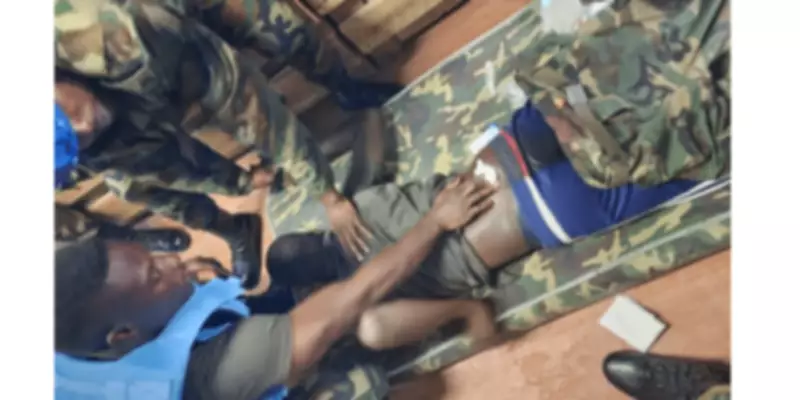
According to official statements from the Ghana Armed Forces, the headquarters of Ghana's United Nations peacekeeping contingent in Lebanon was struck by two separate missile attacks on Friday, March 6. The assault left two Ghanaian soldiers with critical injuries, while another service member suffered psychological trauma from the incident. The military confirmed that the attack completely destroyed the Officers' Mess facility, which was burned to the ground, and caused substantial damage to other sections of the base.
Ghanaian troops have been deployed in Lebanon as an integral component of the United Nations Interim Force in Lebanon (UNIFIL), which is responsible for monitoring the ceasefire agreement between Israel and Lebanon. The peacekeeping force operates primarily in southern Lebanon, where tensions have been escalating dramatically in recent weeks.
Ghana's Longstanding Peacekeeping Commitment
Ghana has maintained a continuous presence in UNIFIL since 1978, making it one of the longest-serving contributors to this crucial peacekeeping operation. The country's dedication to international peace and security has been demonstrated through decades of service in volatile regions, with this recent attack representing one of the most serious threats to Ghanaian peacekeepers in recent memory.
Regional Context and Escalating Tensions
The missile strikes occurred against a backdrop of rapidly deteriorating security conditions in the region. Earlier in the week, the Lebanese militant group Hezbollah launched rocket attacks against Israel, prompting a series of retaliatory strikes. Since that initial exchange, Israel and Iran-backed Hezbollah have engaged in repeated cross-border attacks, with the conflict spreading across multiple fronts and threatening to escalate into a broader regional confrontation.
Ghana's Formal Protest and Legal Position
While Ghana has not publicly identified the specific party responsible for the missile strikes, the country has lodged a formal protest at United Nations headquarters in New York. In a strongly worded statement from the Ministry of Foreign Affairs, Ghana declared: "Ghana strongly condemns this attack and has further demanded that those responsible be identified and held accountable. The attack constitutes a grave violation of international law, amounts to a war crime and affronts the protections afforded to United Nations peacekeeping personnel."
The government has emphasized that the safety and security of its troops must be guaranteed, urging the United Nations to implement enhanced protective measures for all peacekeepers serving under the UNIFIL mission.
Humanitarian Impact in Lebanon
Meanwhile, the escalating conflict has exacted a heavy toll on Lebanese civilians. According to data released by the Lebanese Ministry of Health, missile strikes across various cities and residential areas have resulted in at least 217 fatalities, with 798 individuals sustaining injuries. The violence has also triggered significant displacement, with an estimated 95,000 people forced to flee their homes due to the deteriorating security situation.
The Ghanaian government's call for investigation underscores the critical importance of protecting peacekeeping personnel who operate in high-risk environments to maintain international stability. As regional tensions continue to mount, the safety of UN forces and the preservation of ceasefire agreements remain paramount concerns for the international community.