
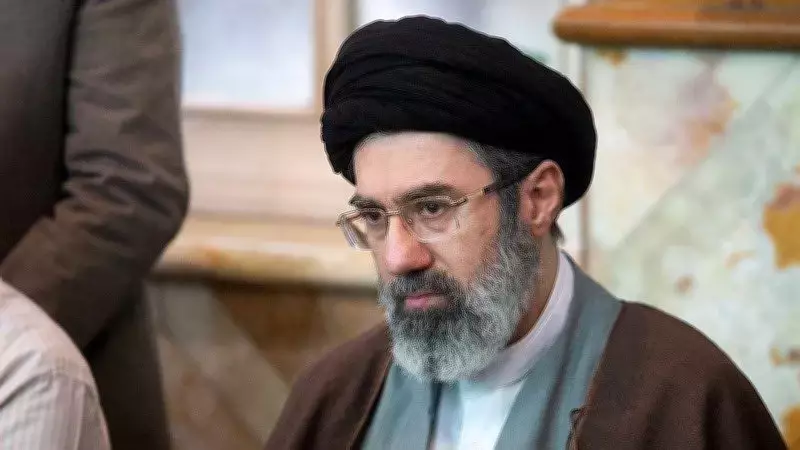
Iran's Supreme Leader Issues Demands for Blood Money from US and Israel
In a significant development, Iran's new Supreme Leader, Ayatollah Mojtaba Khamenei, has publicly demanded "blood money" from the United States and Israel. The statement was broadcast on Iranian state television, marking one of his first major addresses since assuming leadership.
Compensation Claims and Regional Stance
Khamenei emphasized that Iran will not relent in seeking justice for aggressions against the country. He stated, "By the grace of God, we will certainly not let go of the criminal aggressors who attacked our country. We will undoubtedly demand compensation for every single damage inflicted, the blood money of the martyrs, and the diyah of the war-wounded." This demand for financial reparations, known as "diyah" in Islamic law, underscores Iran's firm position on holding foreign powers accountable.
He clarified that Iran is not actively seeking war but will not forfeit its rights. Khamenei added, "Iran is not seeking war but will not forfeit its rights and considers all resistance fronts as a unified entity." This reference to "resistance fronts" likely points to Iran's allies and proxies across the region, reinforcing a cohesive strategy.
Strait of Hormuz and Regional Dynamics
Amid escalating tensions over control of the vital Strait of Hormuz, Khamenei warned that Iran would "take the management of the Strait of Hormuz into a new phase." This strategic waterway is crucial for global oil shipments, and his comments signal potential shifts in maritime security policies that could impact international trade.
Khamenei also called on pro-Iranian protesters to demonstrate publicly, asserting that "your voices raised in public squares have an impact on the outcome of negotiations." This move appears aimed at bolstering domestic support and influencing diplomatic engagements.
International Context and NATO Reactions
The statement comes against a backdrop of international pressure. NATO's head recently admitted that some allies were "a bit slow" to support US actions in Iran, as the alliance faces scrutiny from figures like former US President Donald Trump. In Washington, Mark Rutte praised Trump's "bold leadership and vision," highlighting ongoing transatlantic tensions.
Earlier reports indicated that Trump issued an ultimatum to NATO, demanding warships be sent to the Strait of Hormuz or risk losing American support. This adds to the complex geopolitical landscape surrounding Iran's demands.
Broader Implications
Khamenei's message reiterates that Iran "never sought war and we're not seeking war," but will "not back off from seeking our legitimate rights in any way." This includes support for the entire resistance front, emphasizing Iran's regional influence. The demand for blood money and compensation sets a precedent for future diplomatic and legal battles, potentially straining relations with the US and Israel further.
As Iran navigates these challenges, the focus on the Strait of Hormuz and unity among resistance groups suggests a strategic approach to asserting sovereignty and economic interests in a volatile Middle East.




