
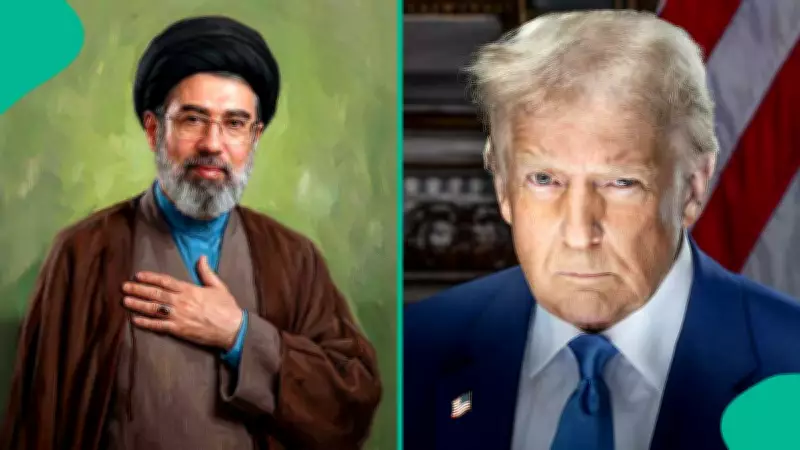
Iran's New Supreme Leader Pledges Retaliation After Family Loss
In a dramatic first public address, Mojtaba Khamenei, the newly appointed supreme leader of Iran, has vowed that his nation will seek revenge for recent attacks by the United States and Israel, which resulted in the deaths of his father and wife. The statement, delivered from Tehran, marks a significant escalation in regional tensions and underscores Iran's commitment to responding to what it perceives as aggressive foreign actions.
Details of the Vengeance Pledge
Khamenei's message, broadcast widely, emphasized that Iran will not remain passive in the face of these assaults. He framed the attacks as part of an ongoing campaign by the U.S. and Israel, signaling a potential shift in Iran's foreign policy under his leadership. The vow for revenge comes amid heightened geopolitical strife in the Middle East, with analysts warning of possible retaliatory measures that could further destabilize the area.
Context and Implications
The announcement follows a series of incidents that have strained Iran's relations with Western powers and its regional adversaries. Khamenei's ascension to the role of supreme leader, a position of immense authority in Iran's political and religious hierarchy, adds a new dimension to the conflict. His personal loss in the attacks is expected to fuel nationalist sentiments and hardline stances within the country, potentially influencing military and diplomatic strategies moving forward.
Observers note that this development could lead to increased military posturing or covert operations, as Iran has historically employed a mix of direct and proxy tactics in its confrontations. The international community is closely monitoring the situation, with concerns about broader implications for global security and stability.




