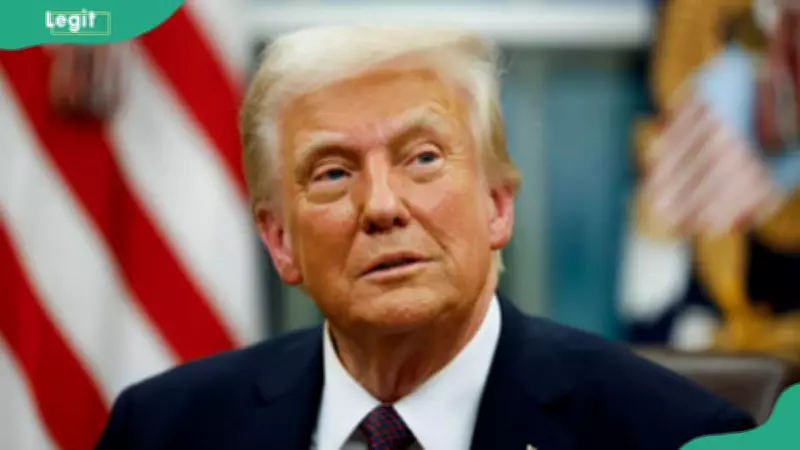
Iran's Security Chief Issues Direct Threat to US President Trump
In a significant escalation of diplomatic tensions, Iran's security chief Ali Larijani has issued a direct warning to United States President Donald Trump, suggesting the possibility of his elimination. The threat was delivered through Larijani's official Telegram channel, marking an unusual public statement from a high-ranking security official.
Details of the Telegram Warning
According to reports from Al-Jazeera, Larijani specifically warned President Trump to "be careful not to be eliminated" in a post on his verified Telegram account. This direct communication channel has become increasingly significant in international diplomacy, particularly for Iranian officials who use it to bypass traditional media channels.
The statement represents one of the most explicit threats made by an Iranian official against a sitting US president in recent years. Security analysts note that while rhetoric between the two nations has often been heated, such specific warnings from a security chief carry particular weight and could indicate deteriorating relations.
International Reactions and Implications
The warning has sparked immediate concern among diplomatic circles and security experts worldwide. A sitting security official threatening a US president through social media platforms represents an unprecedented development in modern international relations. The statement raises fresh questions about communication protocols between adversarial nations and the role of digital platforms in diplomatic exchanges.
Observers note that this incident occurs against a backdrop of longstanding tensions between Iran and the United States, with multiple unresolved issues including nuclear agreements, regional influence, and economic sanctions. The public nature of the threat suggests either a calculated escalation or a breakdown in traditional diplomatic channels.
Social Media Response and Public Commentary
The warning has generated significant discussion on social media platforms, with users expressing various perspectives on the situation:
- International observers have questioned whether this represents "a massive diplomatic incident" or indicates internal political dynamics within Iran's leadership structure.
- Security analysts have noted the unusual nature of such threats being delivered through Telegram rather than through formal diplomatic channels.
- Regional experts have pointed to historical context, reminding that similar rhetoric has preceded periods of increased tension between the two nations.
The incident highlights how digital communication platforms are increasingly becoming arenas for international diplomacy and conflict, with officials using them to deliver messages that might traditionally have been communicated through more formal channels. This development raises important questions about protocol, escalation management, and the future of diplomatic communication in the digital age.
As the situation develops, international observers will be watching closely for official responses from both the United States government and Iranian leadership. The incident underscores the fragile nature of US-Iran relations and the potential for rapid escalation in an increasingly interconnected digital world.