
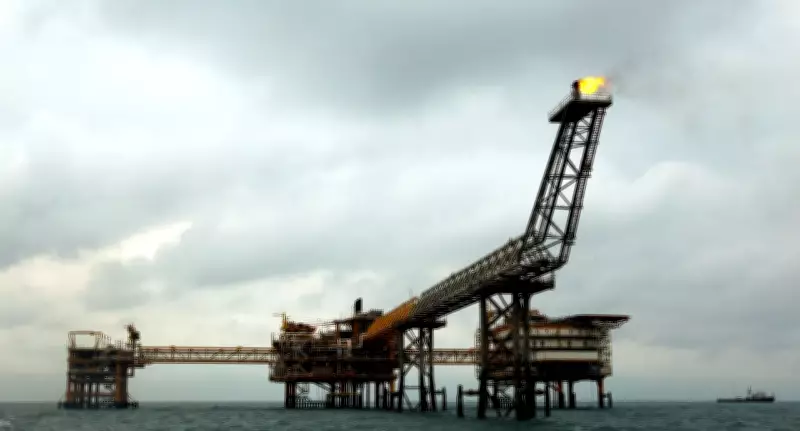
Iran Threatens Gulf Energy Facilities After Israeli Strike on Major Gas Field
Iran has issued a stark warning to target key energy infrastructure across the Gulf region in response to Israeli strikes on its largest gas field, marking a significant escalation in the ongoing regional conflict. The country's Revolutionary Guards have declared imminent retaliatory attacks on facilities in Saudi Arabia, the United Arab Emirates, and Qatar.
Attack on South Pars Gas Field
The threats follow reported missile strikes on the South Pars gas field, which is the world's largest gas reserve and is shared between Iran and Qatar. Iranian state media has indicated that several major sites could be targeted, including refineries and petrochemical complexes across the Gulf. Authorities have urged residents and workers to evacuate affected areas immediately as a precautionary measure.
This strike on South Pars represents a critical turning point, as it is the first direct attack on Iran's core fossil fuel infrastructure since the conflict began. Israeli media reports suggest the operation was carried out by Israel with backing from the United States, though official confirmations remain limited.
Global Energy Supply Concerns
The escalation has heightened fears of widespread disruption to global energy supplies, particularly as tensions intensify around the Strait of Hormuz. This strategic waterway is a critical route for global oil shipments, and any conflict there could severely impact international markets.
In reaction to the news, oil prices surged sharply, climbing toward $110 per barrel. European gas prices also recorded significant gains amid growing concerns over potential supply shortages. Market analysts warn that further instability could lead to more volatile price swings in the coming days.
Iran's Warning and Regional Reactions
Iranian officials have described the development as a shift toward "full-scale economic war," explicitly warning that energy infrastructure across the region is now considered a "legitimate target." This rhetoric underscores the severity of the situation and the potential for broader economic consequences.
Qatar has also raised alarms, stating that attacks on energy facilities pose a serious threat to global energy security, regional stability, and the environment. The Qatari government emphasized the need for de-escalation to prevent further damage to critical infrastructure and international energy networks.
Broader Conflict Context
These latest developments occur as the conflict enters its third week, with escalating strikes already impacting oil fields and key infrastructure across the region. Previous attacks have significantly reduced energy exports and strained global markets, contributing to ongoing economic uncertainties.
The situation remains fluid, with international observers closely monitoring for any further military actions or diplomatic interventions. The potential for retaliatory measures by Iran and its allies adds to the complexity, raising the stakes for regional and global security.




