
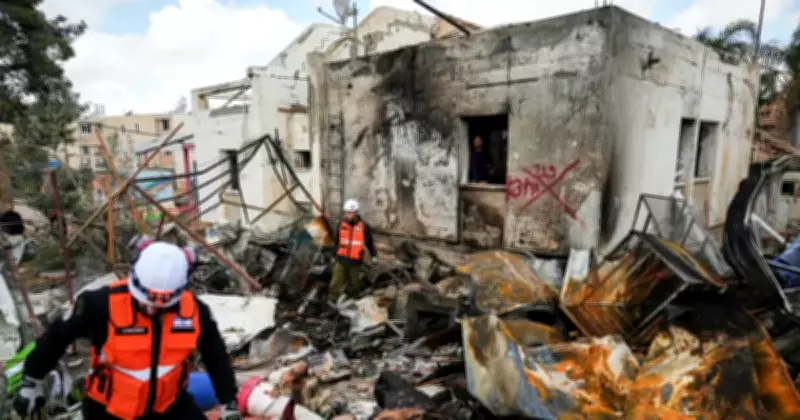
Iran-US Conflict Casualties Mount: 1,500 Dead in Iran, 18 in Israel, 13 US Soldiers
The escalating conflict between Iran, the United States, and Israel has resulted in a mounting humanitarian crisis, with thousands killed and injured across multiple regions, according to a live tracker by Al Jazeera. The data reveals casualties across 14 countries, raising fears of a prolonged regional war that could destabilize the Middle East further.
Iran Records Highest Casualties with Over 1,500 Dead
The tracker shows that Iran has recorded the highest number of casualties, with more than 1,500 people reportedly killed, many of them civilians. The scale of destruction in major cities, including Tehran, points to sustained air and missile strikes targeting key infrastructure as well as residential areas. Hospitals and emergency services are said to be overwhelmed as the number of injured continues to rise, highlighting the severe impact on civilian populations caught in the crossfire.
Israel and US Suffer Military and Civilian Losses
In Israel, at least 18 people have been confirmed dead following retaliatory missile and drone attacks launched by Iran. Air defence systems have intercepted several projectiles, but some have struck populated areas, causing casualties and damage to buildings. The United States has also recorded military losses, with at least 13 soldiers reportedly killed in attacks on its bases in the region. These strikes form part of Iran’s response to the initial joint offensive carried out by US and Israeli forces, intensifying the cycle of violence.
Conflict Spills into Neighbouring Regions with 22 Additional Deaths
Beyond the three main countries involved, the conflict is increasingly spilling into neighbouring regions. Several Gulf countries have reported casualties, with at least 22 deaths linked to the wider fallout of the war. This highlights the growing reach of the crisis and the risk of further escalation across the Middle East, as the conflict threatens to draw in more countries and exacerbate humanitarian conditions.
Origins and Escalation of the Conflict
The conflict began with coordinated strikes by US and Israeli forces on Iranian targets, which triggered swift retaliation from Iran. Since then, both sides have continued to exchange attacks, intensifying the scale of destruction and human loss. Civilian populations remain the most affected, with homes, public infrastructure, and essential services caught in the crossfire, leading to a dire situation for those living in conflict zones.
Global Concerns and Potential Impacts
The rising death toll and expanding geographical impact have raised global concerns about a prolonged regional war. Analysts warn that continued escalation could draw in more countries, worsen humanitarian conditions, and disrupt global energy markets. As the situation develops, the focus remains on the growing number of casualties and the urgent need for de-escalation to prevent further loss of life and regional instability, with calls for international intervention to mediate the crisis.




