
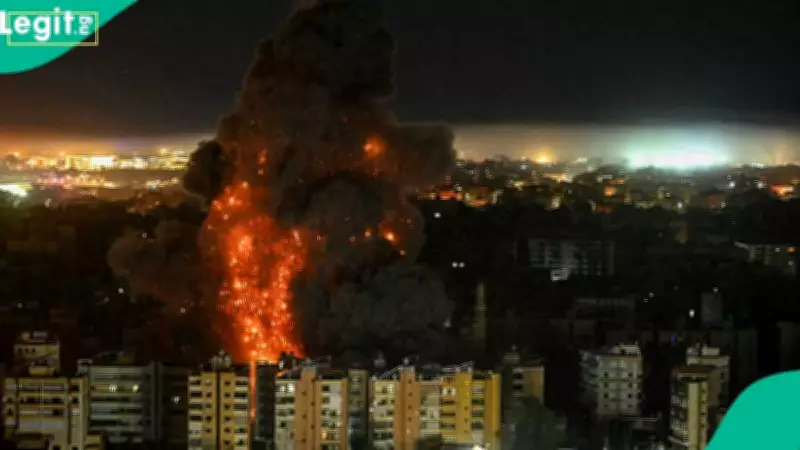
Iranian Revolutionary Guard Spokesperson Killed in Israeli Airstrike
The Islamic Revolutionary Guard Corps of Iran has officially confirmed the death of its spokesperson, Ali Mohammad Naeini, in what Israeli authorities have described as an overnight air strike. This targeted assassination represents a significant escalation in the ongoing regional conflict involving Iran, Israel, and the United States, raising serious concerns about the potential for a broader regional war that could destabilize the entire Middle East.
Retaliatory Strikes Target Critical Infrastructure
In immediate retaliation for the killing of their senior official, Iranian forces reportedly launched coordinated attacks on key strategic infrastructure targets. One significant strike targeted facilities linked to Oil Refineries Ltd in the Israeli port city of Haifa, with company officials confirming substantial damage to critical infrastructure that could impact regional energy supplies.
Separately, an Iranian strike on Qatar's Ras Laffan Industrial City is expected to reduce liquefied natural gas export capacity by approximately 17 percent, signaling potential disruptions to global energy markets that could affect prices and supply chains worldwide. These targeted attacks on energy infrastructure demonstrate Iran's strategic approach to retaliation and the economic dimensions of the escalating conflict.
Civilian Casualties Mount as Humanitarian Crisis Deepens
Humanitarian organizations have raised urgent alarms about the rapidly growing civilian death toll. The Iranian Red Crescent Society has reported that at least 204 children have been killed in the recent hostilities, with total fatalities in Iran exceeding 1,444 people. The organization emphasized the devastating impact on civilian populations caught in the crossfire of military operations.
Meanwhile, reports indicate that more than 1,000 people have also died in Israeli strikes on Lebanon, underscoring how the conflict is spreading beyond immediate borders and creating a widening humanitarian crisis across multiple nations. The increasing civilian casualties have prompted international calls for restraint and protection of non-combatants.
International Response and Diplomatic Developments
In response to the intensifying conflict, Switzerland announced it has suspended approvals for arms exports to the United States, citing its long-standing policy of neutrality in international conflicts. The Swiss government issued an official statement explaining that "the export of war materiel to countries involved in the international armed conflict with Iran cannot be authorised for the duration of the conflict."
The statement further clarified that "exports of war materiel to the USA cannot currently be authorised" under Switzerland's neutrality principles. This diplomatic move represents a significant development in international responses to the conflict and could influence other neutral nations' positions regarding arms transfers to involved parties.
Regional Context and Historical Precedents
The latest escalation comes during a particularly sensitive period in the region, as millions of Muslims across the Middle East observe Eid celebrations while Iran simultaneously celebrates Nowruz, the Persian New Year. These cultural and religious observances are now overshadowed by heightened tensions and uncertainty about future developments.
Security analysts and regional experts warn that the killing of a senior IRGC official like Ali Mohammad Naeini signals a dangerous new phase in the ongoing conflict, with the risk of further retaliatory strikes and broader regional instability increasing substantially. The assassination follows previous incidents, including Iranian missile attacks that killed an elderly Israeli couple in Ramat Gan earlier in the conflict cycle.
As the situation continues to develop, international observers are closely monitoring diplomatic channels and military movements, concerned that any further escalation could trigger a wider regional war with unpredictable consequences for global security and economic stability.




