
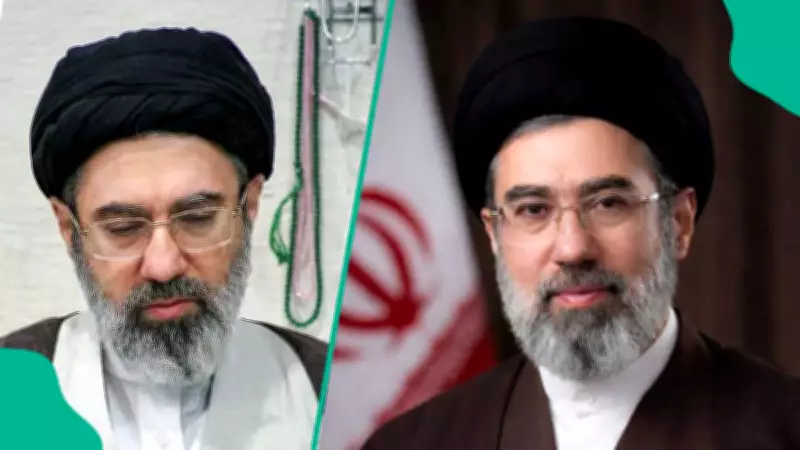
Iran Appoints Mojtaba Khamenei as New Supreme Leader During Ongoing Conflict
Mojtaba Hosseini Khamenei has been officially named as Iran's new supreme leader, succeeding his father Ayatollah Ali Khamenei, who was recently slain. This significant transition occurs as the war involving the United States and Israel enters its tenth day, with fresh missile and drone strikes continuing to reverberate across the Middle East region.
The Assembly of Experts, the clerical body responsible for selecting Iran's highest authority, announced their decision on Sunday, March 8. Following this announcement, numerous Iranian institutions and politicians, ranging from the foreign ministry to lawmakers, issued formal statements expressing their allegiance and support for the new leader.
Profile of Iran's New Supreme Leader
Mojtaba Khamenei was born on September 8, 1969, in Mashhad, a city located in northeastern Iran. He is the second of Ali Khamenei's six children and received his secondary education at the religious Alavi School in Tehran. At the age of seventeen, Mojtaba served in the military during the Iran-Iraq War, participating in several short periods of service according to Iranian media reports.
In 1999, Mojtaba moved to Qom, a holy city considered a vital center of Shia theology, to continue his religious studies. Notably, he did not wear clerical clothing until this time, and it remains unclear why he decided to attend a seminary at thirty years old, as this is typically done at a younger age in religious traditions.
Mojtaba Khamenei remains a mid-ranking cleric, which could potentially pose obstacles to his acceptance as the new supreme leader within Iran's complex religious and political hierarchy.
Controversial Past and Succession Questions
Mojtaba Khamenei first entered the public spotlight during the 2005 presidential election, which saw populist hardliner Mahmoud Ahmadinejad claim victory. Reformist candidate Mehdi Karroubi accused Mojtaba, in an open letter to his father, of interfering in the election through elements of the Islamic Revolutionary Guard Corps and the Basij militia.
These allegations suggested that Mojtaba had distributed funds to religious groups to support Ahmadinejad's campaign. Four years later, during Ahmadinejad's re-election in 2009, Mojtaba faced similar accusations of election interference.
The 2009 election sparked nationwide protests known as the Green Movement, during which some demonstrators voiced opposition to the possibility of Mojtaba eventually succeeding his father as Iran's supreme leader. This historical context adds complexity to his current appointment during a period of regional conflict and internal political transition.
The succession comes at a critical moment for Iran, as the country navigates both external military pressures and internal questions about leadership legitimacy. The combination of Mojtaba's controversial past, his mid-ranking clerical status, and the timing of his appointment during active warfare creates a challenging landscape for the new supreme leader's acceptance and effectiveness.




