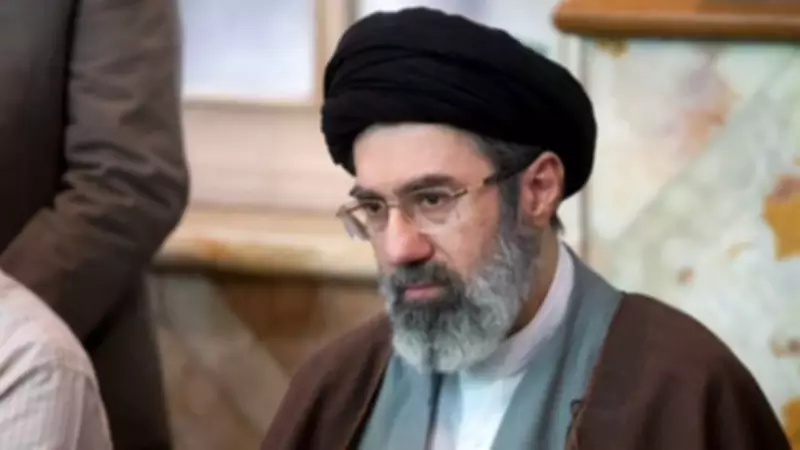
Iran's New Supreme Leader Mojtaba Khamenei Wounded in Israeli Strike Amid Escalating Conflict
Mojtaba Khamenei, the newly appointed Supreme Leader of Iran, has reportedly been wounded in an Israeli strike, according to Iranian state media. This development comes as the conflict in the Middle East intensifies, with significant regional implications.
Details of the Injury and State Media Reports
The 56-year-old cleric, who recently succeeded his father Ali Khamenei following his death in a major strike on Tehran, was described by Iranian television as a janbaz. This Persian term is commonly used to refer to someone injured by enemy action. State broadcasters indicated that the injury occurred during what officials have termed the Ramadan war, referencing the ongoing military confrontation involving Iran, the United States, and Israel.
However, authorities have not provided specific details regarding the location, timing, or severity of the injury. The lack of transparency has fueled speculation and concern about the potential impact on Iran's leadership and military strategy.
Escalating Regional Conflict and Broader Impacts
Meanwhile, the conflict is rapidly intensifying across the region. In a related incident, Bahrain reported that 32 people were wounded in a drone attack on Sitra. Iran has also threatened strikes on regional energy infrastructure in retaliation for Israeli attacks, raising fears of further destabilization.
The economic repercussions are already being felt, with oil prices surging above $100 a barrel. Major Gulf producers remain under threat, potentially disrupting global energy supplies and exacerbating economic uncertainties.
Mojtaba Khamenei's Leadership and Strategic Outlook
Despite his sudden rise to power, Mojtaba Khamenei is perceived as vengeful and determined to assert Iran's authority in the ongoing conflict. His injury could influence Iran's military and political decisions, potentially leading to more aggressive posturing or retaliatory measures.
The situation underscores the volatile nature of the Middle East conflict, with key players like Iran, Israel, and the United States deeply involved. As tensions mount, the international community is closely monitoring developments, particularly regarding oil markets and regional security.
This incident highlights the personal risks faced by leaders in conflict zones and the broader geopolitical stakes. With no immediate resolution in sight, the region braces for further escalation, making this a critical moment in Middle Eastern affairs.