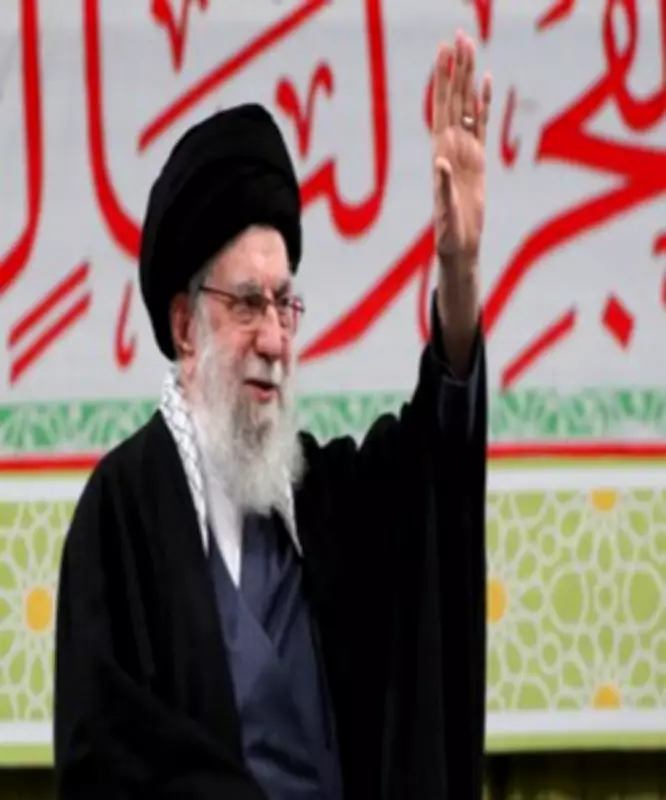
Israel Defends Killing of Iran's Ayatollah Khamenei as Lawful Military Action
Israel has publicly defended the killing of Iran's Supreme Leader Ayatollah Ali Khamenei, asserting that the strike fully complied with international laws governing armed conflict. According to Israeli authorities, Khamenei served as the commander-in-chief of Iran's armed forces, making him a legitimate military target under established legal frameworks.
Escalation in Regional Conflict
This significant escalation occurs within the context of a broader conflict that erupted after coordinated military strikes by Israel and the United States targeted Iranian facilities and leadership figures. The operation that resulted in Khamenei's death was part of these extensive military actions, which Israel claims were necessary to protect its national security interests.
Israeli officials have argued that Iran had been actively rebuilding its nuclear weapons program within a new underground facility, posing a direct threat that justified the strikes. The defense of the assassination has been articulated by Israeli military spokesman Nadav Shoshani, who emphasized its legality under international humanitarian law.
Legal Justification and Military Rationale
In a detailed post on the social media platform X, Shoshani explained the legal basis for targeting Khamenei. "Under the international law of armed conflict, military commanders directing armed forces during war can constitute lawful military targets," Shoshani stated. He further clarified that "as Iran's Supreme Leader, Ali Khamenei served as Commander-in-Chief of the Iranian Armed Forces," describing the ayatollah as "the final decision-maker on Iran's military operations."
Shoshani elaborated that during the ongoing conflict, Khamenei had overseen operations directly targeting Israel and coordinated support for allied armed groups across the region. "Neutralizing the regime's Commander-in-Chief delivered a clear military advantage by degrading Iran's ability to plan and coordinate attacks against Israel," he asserted, highlighting the strategic objective behind the strike.
Human Toll and Iranian Retaliation
Iranian media reports have indicated that the strike resulted in additional casualties beyond Khamenei himself. Members of his family, including his wife, son-in-law, and two minor grandchildren, were also reported to have died in the attack, underscoring the human cost of the military action.
In response to the assassination, Iran launched waves of missile attacks against Israel and various targets across the Middle East, including facilities connected to the United States. This retaliation has intensified the conflict, with Israel and the United States continuing to carry out air strikes on Iranian military targets as hostilities escalate regionally.
The situation remains volatile, with both sides justifying their actions through legal and security frameworks while the broader implications for regional stability continue to unfold.