Israel Issues Stark Warning to Iran Over Succession Plans
In a dramatic escalation of geopolitical tensions, Israel has vowed to target for assassination any individual selected as Iran's next Supreme Leader. This threat comes in the wake of Ayatollah Ali Khamenei's death during US-Israeli strikes on Tehran, which has plunged Iran into a critical leadership transition.
Defence Minister Katz's Direct Threat on Social Media
Israel's Defence Minister, Israel Katz, made the incendiary declaration in a post on the social media platform X. He stated unequivocally that any leader chosen by what he termed the 'Iranian terror regime' would be marked for elimination. Katz emphasized that this applies regardless of the person's identity or location, accusing such a leader of continuing plans to destroy Israel, threatening the United States and regional nations, and suppressing the Iranian populace.
Mojtaba Khamenei Emerges as Prime Candidate
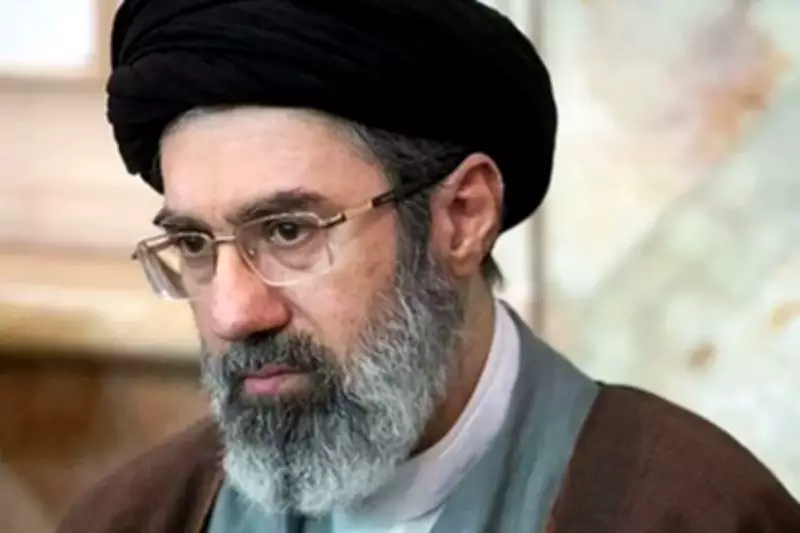
The threat appears particularly directed at Mojtaba Khamenei, the 56-year-old second-oldest son of the late Ayatollah. Reports from Iranian opposition sources, including Iran International, indicate that Mojtaba has been named the favorite to assume the Supreme Leader position. His selection is said to have been influenced by pressure from the powerful Iranian Revolutionary Guard Corps (IRGC), with whom he maintains strong connections.
Profile of the Potential Successor
Despite his lack of formal clerical rank or official government role, Mojtaba Khamenei is believed to wield significant behind-the-scenes influence. His background includes service in the Iranian armed forces during the Iran-Iraq war, and he has been speculated as a potential successor for years. However, his candidacy is not without controversy:
- He was notably absent from a list of three senior clerics previously identified by his father as potential successors.
- Ayatollah Ali Khamenei reportedly opposed his son's candidacy, fearing it would resemble the hereditary rule of the US-backed Shah monarchy overthrown in the 1979 Iranian Revolution.
This development underscores the volatile nature of Iran's leadership crisis and the heightened risks of regional conflict, as Israel positions itself to intervene directly in Iranian internal affairs through extreme measures.