
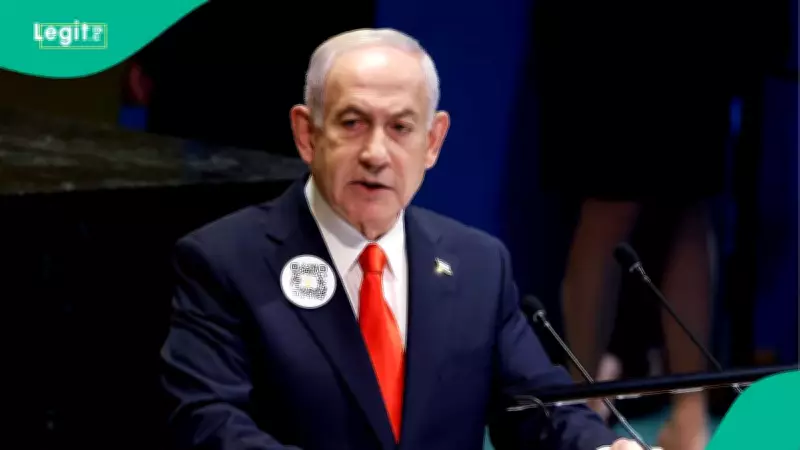
Netanyahu Vows Continued Israeli Campaign Against Iran Despite Ceasefire
Israeli Prime Minister Benjamin Netanyahu has firmly declared that Israel's campaign against Iran is far from over, even as a fragile ceasefire holds in the region. In a recent video statement, Netanyahu emphasized that Israel has already secured what he termed "historic achievements" in its ongoing confrontation with Iran, underscoring a relentless commitment to regional security.
Historic Achievements and Strategic Strikes
Netanyahu highlighted Israel's military actions, particularly noting the strikes conducted against Iran. He stated, "We hit them, we still have more to do," pointing to a series of operations aimed at countering Iranian threats. The Prime Minister described a pivotal moment in June of last year when Israel "broke the barrier of fear" by launching an attack on Iran, marking a significant shift in Israel's strategic approach to confronting its regional adversary.
He elaborated on his personal dedication to preventing Iran from obtaining nuclear weapons, a mission he has pursued throughout much of his life. Netanyahu revealed that he has approved covert operations to delay Iran's nuclear progress and has consistently warned the international community of the dangers posed by Iran's ambitions. "But the world wouldn't hear," he lamented, indicating a sense of isolation in his efforts.
Intelligence Criticisms and the October 7 Attack
In his remarks, Netanyahu also made veiled criticisms of Israel's intelligence agencies concerning the Hamas-led assault on October 7, 2023. He distanced himself from blame over the intelligence failures that preceded the attack, asserting that "this time, precise intelligence reached me on time." This statement reflects ongoing tensions within Israel's security apparatus and Netanyahu's attempt to position himself as proactive in addressing threats.
Background of the Iran-Israel Conflict
The conflict between Israel and Iran escalated dramatically on February 28, 2026, when the United States and Israel initiated Operation Epic Fury. This operation involved strikes on Iranian missile sites using Tomahawk missiles, stealth bombers, and coordinated air raids. Iran retaliated with missile attacks, leading to a 40-day period of intense fighting that disrupted global trade routes and raised fears of wider regional escalation.
On April 8, 2026, Pakistan brokered a two-week ceasefire, with Iran agreeing to reopen the Strait of Hormuz. While this truce has provided a temporary respite, the situation remains precarious, with Netanyahu's latest statements indicating that Israel is prepared to resume hostilities if necessary.
Regional Tensions and Ceasefire Violations
Amid the ceasefire, tensions have persisted, particularly regarding Israel's continued bombing of Lebanon. Iran has condemned these actions as a "flagrant violation" of the ceasefire agreement, which was announced by the United States and Iran. However, Israel has maintained that the ceasefire does not extend to Lebanon, asserting its right to support U.S. efforts to neutralize Iran's nuclear, missile, and terror threats.
Netanyahu's remarks underscore a broader narrative of Israel's unwavering stance against Iran, framed as a historic struggle for security in the Middle East. His commitment to preventing Iran from achieving nuclear capability remains a central theme, with past actions and future intentions closely intertwined in this ongoing geopolitical confrontation.




