
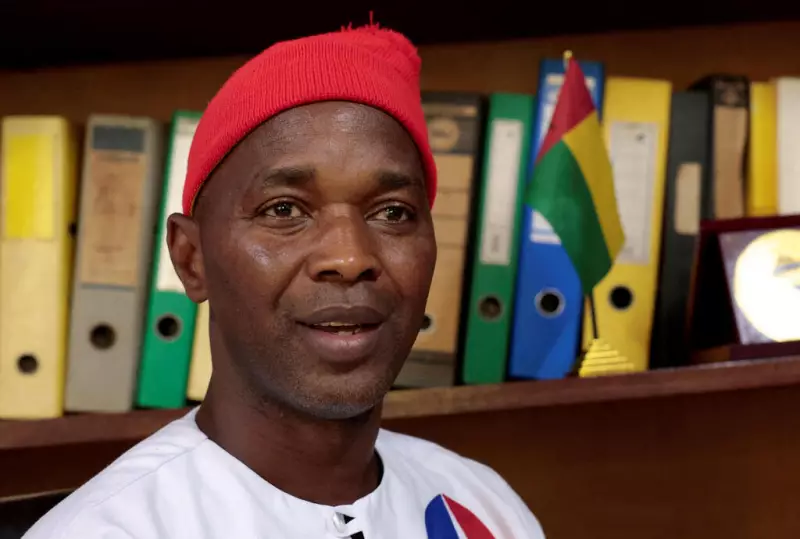
In a decisive move to protect a key political figure, the Nigerian government has granted special asylum to Guinea-Bissau's main opposition presidential candidate, Fernando Costa. This action follows reports of direct and imminent threats to his life in the wake of a military takeover in his home country.
Military Seizure Halts Democratic Process
The crisis unfolded around the presidential election held on November 23, 2025. Fernando Costa was the primary challenger to the incumbent President, Umaro Embalo. However, in a dramatic turn of events, the nation's military seized power just hours before the election results were scheduled to be announced. The armed forces suspended the electoral process and imposed a strict curfew, effectively staging a coup.
Tinubu Approves Embassy Protection
Responding to the urgent situation, President Bola Ahmed Tinubu authorized a plan to provide sanctuary for Mr. Costa. The candidate has been placed under protection within the premises of the Nigerian Embassy in Guinea-Bissau. The Nigerian Ministry of Foreign Affairs communicated this decision in an official letter dated November 30.
The letter, signed by the Minister of Foreign Affairs, Yusuf Tuggar, was addressed to the President of the ECOWAS Commission, Omar Alieu Touray. It described President Tinubu's approval as a "proactive measure to ensure the safety of Mr Da Costa in response to imminent threats to his life."
A Commitment to Regional Democracy and Security
The Nigerian government framed its action as a firm stand for democratic values in West Africa. The letter emphasized that accommodating Mr. Costa "underscores our firm commitment to safeguarding the democratic aspirations and the sovereign will of the good people of the Republic of Guinea-Bissau."
Furthermore, Nigeria has formally requested that the ECOWAS Stabilisation Support Mission in Guinea-Bissau (ESSMGB) provide additional security for Fernando Costa while he remains on the embassy grounds. This call for regional cooperation highlights the collective effort needed to stabilize the situation.
This development marks a significant diplomatic intervention by Nigeria, the region's powerhouse, following the military coup announced in the Portuguese-speaking nation last Wednesday. It reinforces Nigeria's stated role as a defender of constitutional order and the safety of political actors within the ECOWAS community.




