
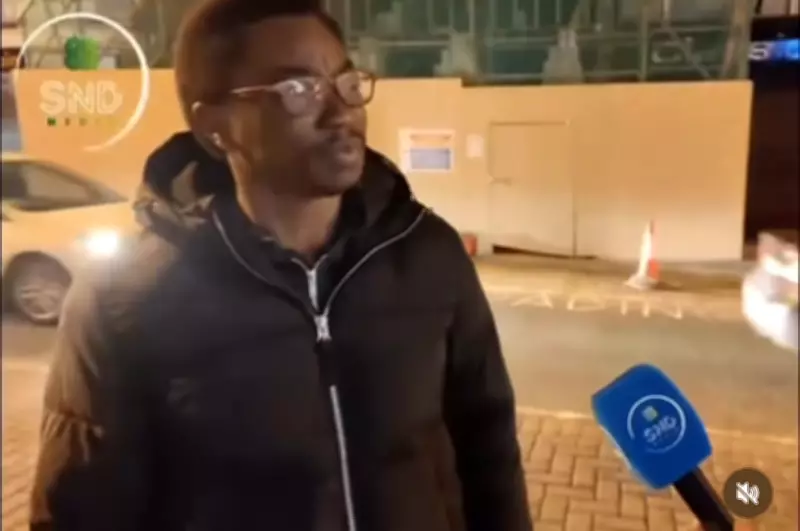
Nigerian Asylum Seeker's Story Faces Scrutiny in Ireland After Contradictory Statements
A viral story from Ireland has captured international attention as a Nigerian man's asylum claim took an unexpected and dramatic turn. The individual initially asserted that his life was in grave danger in Nigeria due to his sexual orientation, citing the country's stringent "Same-Sex Marriage (Prohibition) Act" as a primary reason for seeking refuge. This law criminalizes same-sex relationships and has been widely criticized by human rights groups, making such claims a potentially valid basis for asylum under international protection protocols.
Contradiction Emerges Minutes Later
However, in a surprising twist that unfolded within minutes of his initial testimony, the man disclosed that he has a wife and two children residing back home in Nigeria. This revelation has raised significant questions and cast doubt on the authenticity of his original asylum narrative. Immigration officials and observers are now examining whether this inconsistency undermines the credibility of his persecution claim, as it suggests potential discrepancies in his personal circumstances.
The case has sparked a broader debate about the verification processes for asylum applications and the challenges faced by authorities in assessing the validity of such claims. While Nigeria's anti-LGBTQ+ laws are well-documented and pose real threats to individuals, instances of fabricated stories can complicate the asylum system and affect genuine cases. This incident highlights the delicate balance between providing sanctuary to those in need and ensuring the integrity of immigration procedures.
Implications for Asylum Seekers and Immigration PolicyThis development comes at a time when global migration issues are under intense scrutiny, with many countries, including Ireland, grappling with how to handle increasing numbers of asylum seekers. The Nigerian man's case underscores the importance of thorough background checks and interviews in the asylum process to prevent fraud while safeguarding the rights of legitimate refugees. It also raises awareness about the complexities individuals may face when fleeing persecution, including the pressure to present compelling narratives for survival.
Video Evidence and Public ReactionThe story gained traction through social media platforms, where a video clip of the incident was widely shared, prompting discussions about honesty in asylum claims and the broader context of LGBTQ+ rights in Nigeria. Public reactions have been mixed, with some expressing sympathy for the challenges faced by asylum seekers and others calling for stricter measures to prevent abuse of the system. This case serves as a poignant reminder of the human stories behind immigration statistics and the need for compassionate yet rigorous evaluation in asylum proceedings.




