
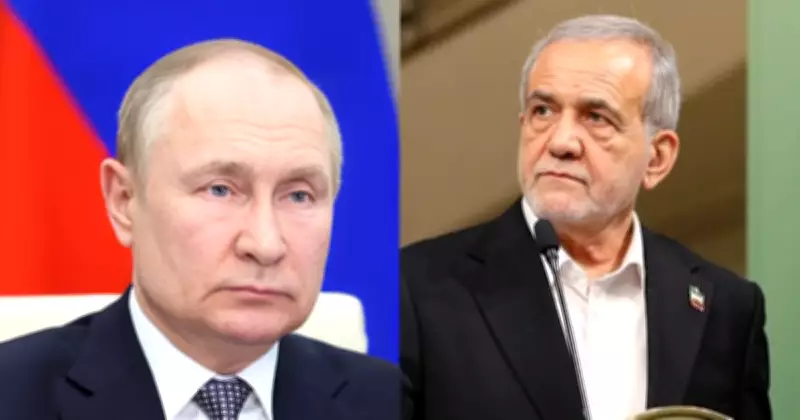
Russia Extends Diplomatic Hand to Iran Following Failed U.S. Nuclear Negotiations
In a significant development in international diplomacy, Russian President Vladimir Putin has pledged unwavering support to Iran after high-level nuclear talks between Tehran and Washington collapsed without agreement. The offer came during a phone conversation between Putin and Iranian President Masoud Pezeshkian, shortly after reports confirmed the breakdown of recent negotiations aimed at resolving longstanding disputes over Iran's nuclear program.
Nuclear Talks Reach Impasse Over Key Issues
The negotiations, which represented the latest attempt to revive diplomacy surrounding Iran's nuclear activities, ended in deadlock as both sides failed to find common ground. According to diplomatic sources familiar with the discussions, the United States insisted on stricter restrictions on Iran's uranium enrichment capabilities, while Iranian officials maintained that their nuclear activities are entirely peaceful and rejected what they characterized as unrealistic demands from Washington.
This latest failure marks another setback in efforts to restore the 2015 nuclear agreement, which had previously placed limits on Iran's nuclear program in exchange for sanctions relief. Multiple attempts to revive the deal or establish a new framework have repeatedly faltered due to mutual distrust and conflicting security priorities between the two nations.
Russia Positions Itself as Mediator
Following the collapse of talks, President Putin emphasized Russia's willingness to support efforts to restart dialogue and help bridge differences between Washington and Tehran. The Russian leader stressed the importance of resolving disputes through political and diplomatic channels rather than allowing tensions to escalate further in the volatile Middle East region.
Russia, which maintains close relations with Iran, has consistently presented itself as a potential intermediary in Middle Eastern disputes. Analysts suggest that Moscow's renewed diplomatic offer highlights its ambition to remain an active player in global crises where Western-led negotiations have stalled, particularly in regions where Russia seeks to expand its geopolitical influence.
Regional Stability Concerns Mount
The breakdown of nuclear talks has raised fresh concerns among international observers about rising instability in the Middle East and the broader implications for global security and energy markets. The strained relationship between Washington and Tehran has persisted since the original nuclear deal's collapse, with both nations maintaining fundamentally different positions on security priorities and regional influence.
While no new negotiations have been officially scheduled, diplomatic channels between the parties are believed to remain open. The situation continues to evolve as international stakeholders monitor developments that could significantly impact regional dynamics and global diplomatic efforts to prevent nuclear proliferation.




