
Spain Closes Airspace to US Military Aircraft Over Iran Conflict Operations
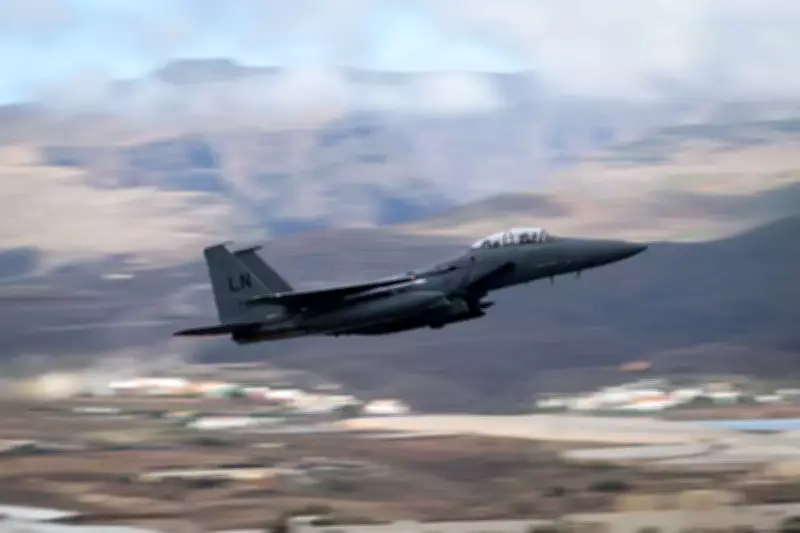
Spain has taken a significant step in its foreign policy by closing its airspace to United States military aircraft that are involved in operations related to the ongoing conflict in Iran. This announcement was made by Defence Minister Margarita Robles during a press briefing in Madrid, marking a clear stance against participation in the war.
Official Statement from Defence Minister
Defence Minister Margarita Robles explicitly stated, "We don't authorize either the use of military bases or the use of airspace for actions related to the war in Iran." This declaration reinforces Spain's earlier decision to deny the US access to jointly operated military bases for operations linked to the Iran conflict, effectively expanding the restrictions to include aerial transit.
Impact on US Military Operations
According to reports, this new restriction will compel US military aircraft to avoid Spanish airspace when en route to the Middle East, potentially complicating logistical and operational plans. However, exceptions may be granted in emergency situations, indicating a degree of flexibility in the policy. The move is expected to force rerouting of flights, adding time and complexity to US military movements in the region.
Government's Stance Against the War
Spain's Economy Minister, Carlos Cuerpo, emphasized that this decision is consistent with the government's broader position against the war. He explained, "This decision is part of the position already taken by the Spanish government not to participate in or contribute to a war which was initiated unilaterally and against international law." This aligns with Prime Minister Pedro Sánchez's vocal criticism of US and Israeli military actions, which he has described as reckless and unlawful.
Potential Strain on US-Spain Relations
The development could further strain diplomatic relations between Spain and the United States. This tension follows reports that former US President Donald Trump threatened to cut trade ties with Madrid over Spain's refusal to support military operations. The airspace closure represents a tangible escalation in Spain's opposition, potentially impacting bilateral cooperation on security and economic matters.
Broader Implications
This decision underscores Spain's commitment to a foreign policy that prioritizes international law and multilateralism over military intervention. It may influence other European nations to reconsider their support for US-led operations in the Middle East, contributing to a shifting geopolitical landscape. The move also highlights the growing divide between some NATO allies over approaches to global conflicts.




