
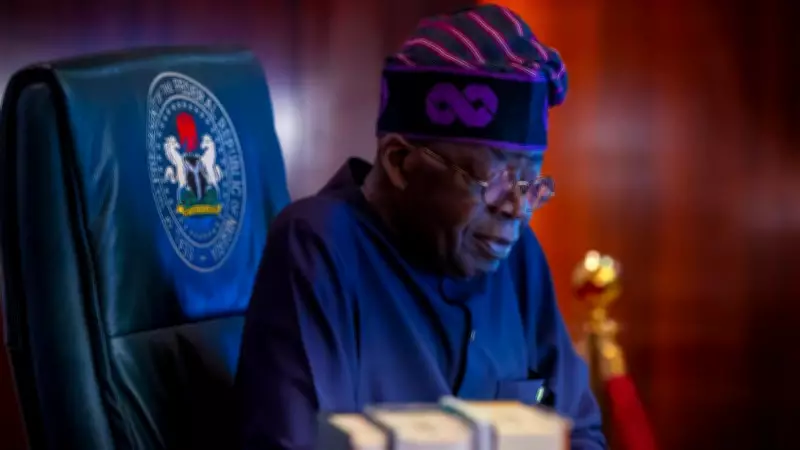
Nigeria's Permanent Representative to the United Nations, Dr. Jimoh Ibrahim, has affirmed that President Bola Ahmed Tinubu remains dedicated to strengthening military collaborations and backing reforms within the United Nations designed to tackle emerging global peace and security threats. Ibrahim made this statement on Monday while welcoming participants from the United States Army War College to the Permanent Mission of Nigeria to the UN in New York.
Importance of Strategic Dialogue
Ibrahim emphasized that the delegation's visit underscored the significance of ongoing dialogue, strategic cooperation, and mutual understanding among institutions dedicated to advancing global peace and security. He noted that the United States Army War College is a premier global institution for cultivating strategic military leaders with deep expertise in conflict management and international security dynamics.
Nigeria's Collaboration with US Army War College
The envoy highlighted President Tinubu's encouragement regarding the progress achieved through Nigeria's long-standing partnership with the institution, particularly the outstanding accomplishments of Nigerian military officers who have graduated from the college. Ibrahim listed former President Muhammadu Buhari, former Chief of Army Staff General Taoreed Abiodun Lagbaja, Colonel Charles Nengite, Brigadier General Olakunle Nafiu, and Colonel Haruna Ibrahim as distinguished Nigerians whose performances at the college continue to inspire excellence within the Nigerian Armed Forces. He also expressed delight at the presence of Colonel Timothy Ajato of the Nigerian Army among the visiting participants.
Contemporary Security Challenges
Addressing current security concerns, Ibrahim identified global arms control, disarmament, illicit weapons transfers, major power competition, and rising geopolitical tensions as major threats confronting the international community. He cautioned that the rapid advancement of emerging technologies, including artificial intelligence, autonomous weapons, drones, and cyber warfare, has significantly transformed the global security landscape. According to him, AI-driven military systems have made it increasingly difficult to define, regulate, and verify arms limitations, necessitating urgent and coordinated international responses.
Nigeria's Role in Global Peacebuilding
Ibrahim stressed that Nigeria is actively collaborating with international partners and the United Nations Security Council to enhance peacebuilding efforts, security cooperation, and diplomatic engagement across regions. He commended President Tinubu's support for the United Nations' UN80 reforms, describing them as necessary and timely steps toward addressing critical peace and security concerns within the global system. He stated that Nigeria will continue to embrace collaboration, diplomacy, and institutional reforms in resolving both domestic and international challenges in line with the principles of the United Nations Charter.
Economic Reforms and Growth
On the economic front, the envoy noted that ongoing reforms under the Tinubu administration have placed Nigeria on a stronger growth trajectory. He added that international financial institutions have acknowledged the country's improving economic outlook and contribution to global GDP. Ibrahim reaffirmed Nigeria's commitment to building stronger bilateral and multilateral partnerships that will advance sustainable development, peacebuilding, and international cooperation.
Ibrahim concluded that the visit marked his first official reception of foreign visitors since assuming office as Nigeria's Ambassador Extraordinary and Plenipotentiary and Permanent Representative to the United Nations.




