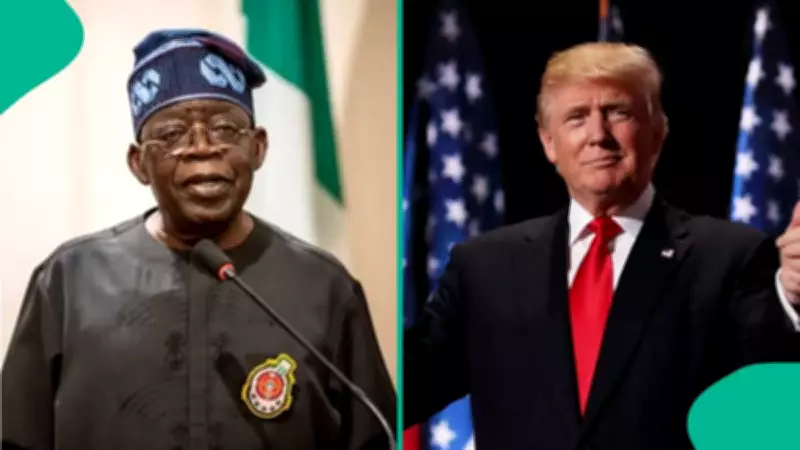
Tinubu's Diplomatic Strategy: Transforming US Confrontation into Military Collaboration
President Bola Tinubu has been commended for his adept handling of Nigeria's military relations with the United States, successfully turning what was perceived as an aggressive confrontation into a collaborative effort. This strategic shift allows Nigeria to benefit from US military hegemony, marking a significant diplomatic achievement.
From Confrontation to Cooperation
Many observers anticipated ongoing tensions between Nigeria and the US, primarily due to concerns over Nigeria's inability to protect its Christian population from violent attacks. However, the Nigerian government has demonstrated a reasonable approach, showing the US its commitment to winning the war against insurgency, regardless of the nature of the violence.
It is important to note that violent attacks in Nigeria have not been isolated to any one group; Muslims are also significant victims of such incidents. This broader context has been part of the government's narrative in engaging with international partners.
Sustaining Relationships and Fighting Insurgency
While the US continues to emphasize the narrative of Christian attacks, the Nigerian government is focused on maintaining and strengthening its relationship with the US. This partnership is now being leveraged to better combat insurgency within the country.
The transformation from confrontation to collaboration highlights Tinubu's diplomatic skills and the government's proactive stance in addressing security challenges. By aligning with US military resources, Nigeria aims to enhance its capabilities in the ongoing fight against violent extremism.
This development underscores the importance of strategic diplomacy in navigating complex international relations, particularly in matters of security and defense. The Nigerian government's ability to pivot from a defensive position to a cooperative one is seen as a positive step towards achieving long-term stability.