
Trump Questions Iran Deal Prospects Amid Escalating U.S.-Israeli Conflict
U.S. President Donald Trump expressed skepticism on Thursday, March 26, regarding the likelihood of reaching a deal with Iran, even as he acknowledged Tehran's apparent willingness to engage in negotiations. This statement comes against the backdrop of an intensifying U.S.-Israeli military campaign that has resulted in significant casualties, widespread regional instability, and escalating military actions.
Trump's Remarks at White House Cabinet Meeting
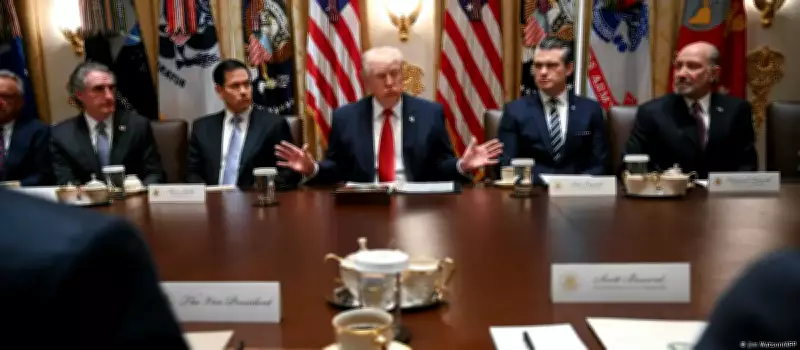
During a Cabinet meeting held at the White House, Trump characterized Iran as a capable and serious negotiating partner. However, he openly questioned whether the United States is currently prepared to finalize any agreement at this juncture. His comments reflect growing frustration with stalled diplomatic efforts and Iran's rejection of key proposals that had been put forward by Washington.
Escalating Tensions and Regional Fallout
The president's doubts emerge as tensions continue to rise following joint U.S. and Israeli strikes initiated in late February. These operations prompted a series of retaliatory attacks by Iran across the Middle East. Iranian forces have deployed drones and missiles targeting not only Israel but also Gulf states that host American military assets and personnel.
The conflict has exacted a heavy human toll, with reports indicating thousands of fatalities across multiple nations and millions of people displaced, particularly in Iran and Lebanon. U.S. forces have also sustained casualties, and Washington is reportedly preparing additional troop deployments, raising the specter of a broader ground involvement in the region.
Economic Implications and Global Concerns
Global economic worries are mounting as Iran tightens its control over the Strait of Hormuz, a critical maritime chokepoint for global energy shipments. Disruptions in maritime traffic through this vital route have added further pressure to already volatile international markets, exacerbating concerns about energy security and economic stability.
Diplomatic Stalemate and Broader Geopolitical Tensions
Despite earlier indications that a cease-fire might be achievable, Trump urged Tehran to accelerate its efforts toward serious negotiations. His remarks underscore the diplomatic impasse and the challenges in bridging differences between the two nations. In a related development, Trump also mentioned that Venezuelan President Nicolás Maduro, who is currently facing charges in the United States, could be subject to further legal actions, hinting at additional geopolitical tensions extending beyond the immediate Middle East crisis.




