
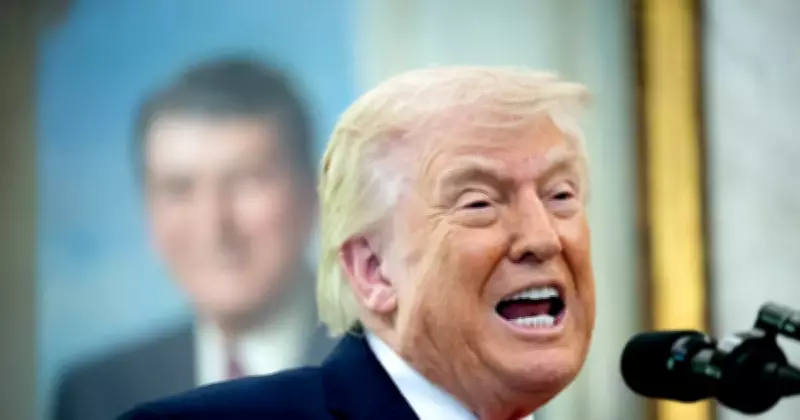
Trump Signals US Could Seize Iranian Oil Hub as Military Buildup Intensifies
Former U.S. President Donald Trump has suggested the United States could seize a major Iranian oil export hub while American forces continue to strengthen their military presence in the Middle East. The remarks come amid escalating tensions in the ongoing regional conflict involving the United States, Israel, and Iran.
Strategic Oil Terminal in Focus
Speaking about broader military operations targeting Iranian infrastructure, Trump specifically mentioned Kharg Island, a strategic oil terminal located in the Persian Gulf that handles a significant portion of Iran's crude exports. "We could easily take control of Kharg Island," Trump stated, marking one of the strongest signals yet about Washington's possible strategic ambitions in the conflict.
Kharg Island is widely considered the backbone of Iran's oil export system, making it a highly sensitive target in any military escalation. The island's strategic importance cannot be overstated, as it serves as the primary loading point for Iranian crude oil destined for global markets.
US Military Reinforcement in the Region
Meanwhile, the United States has reinforced its military posture in the Middle East with approximately 3,500 U.S. Marines and sailors recently arriving aboard the amphibious assault ship USS Tripoli (LHA-7). This deployment increases American troop presence in the region significantly.
U.S. officials claim the deployment aims to strengthen regional security and support ongoing operations. However, the arrival of additional troops has intensified speculation that Washington could be preparing for a broader ground operation if the conflict continues to expand.
Iran's Strong Response
Iran has responded with a sharp warning to the United States. Officials in Tehran stated that any attempt by U.S. forces to invade Iranian territory would be met with decisive retaliation. Iranian authorities emphasized that their forces are prepared to "destroy" invading troops if necessary, highlighting the potential for significant escalation.
Regional Military Campaign Continues
The latest developments occur as Israel continues military strikes against Iranian-linked targets across the region. This campaign has included attacks on missile infrastructure and other strategic sites believed to be tied to Iran's military capabilities.
Analysts report the conflict has already inflicted significant damage on parts of Iran's missile network, though the country still retains operational launch capabilities. Satellite imagery and military assessments suggest several missile facilities and launch sites have been hit during weeks of coordinated strikes.
Global Market Implications
The growing confrontation is beginning to affect global markets, with oil prices surging as traders worry about potential disruptions to energy supplies. Particular concern centers on the possibility of fighting spreading to key shipping routes such as the Strait of Hormuz, through which approximately 20% of the world's oil passes.
With additional forces entering the region and increasingly blunt rhetoric from both sides, the conflict appears to be entering a more dangerous phase. Diplomats and analysts warn that any further escalation could widen the war across multiple fronts, drawing in additional regional actors and putting global energy security at substantial risk.
The situation remains fluid as all parties continue to position themselves strategically while the international community watches with growing concern about the potential for broader regional conflict.




