
Trump Labels Ceasefire Proposal as 'Significant Step' While Firmly Opposing Iran's Nuclear Ambitions
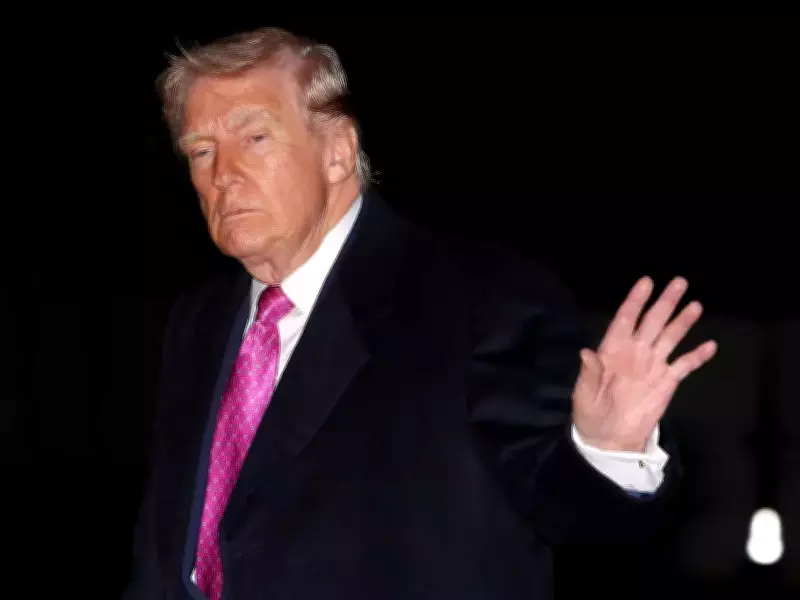
On Monday, April 6, US President Donald Trump characterized a proposed 45-day ceasefire in the ongoing conflict with Iran as a "significant step" in diplomatic efforts. However, he strongly reiterated that Tehran must under no circumstances be allowed to possess nuclear weapons, emphasizing this as a non-negotiable stance for the United States.
Iran Formally Rejects Temporary Ceasefire, Advocates for Permanent Peace
According to reports from the Islamic Republic News Agency, Iran has formally rejected the ceasefire plan, communicating its position through Pakistan. Tehran instead called for a permanent end to the war rather than accepting a temporary truce. Foreign Ministry spokesperson Esmaeil Baghaei stated that negotiations cannot proceed under conditions of ultimatums, violence, or threats of further military action, highlighting Iran's demand for a more comprehensive resolution.
Iran's 10-Point Framework Proposes Broader Regional De-escalation
In its response, Iran reportedly included a detailed 10-point framework aimed at achieving broader regional de-escalation. Key elements of this proposal include:
- Guarantees for safe navigation through the strategically vital Strait of Hormuz
- The lifting of international sanctions imposed on Iran
- Commitments to post-war reconstruction efforts in affected areas
This framework reflects Tehran's push for a more holistic approach to resolving the conflict beyond mere military pauses.
Mediators from Egypt, Pakistan, and Turkey Facilitate Ceasefire Proposal
The ceasefire proposal was put forward by mediators from Egypt, Pakistan, and Turkey, showcasing international efforts to broker peace. A US official described it as one of several options currently under discussion, noting that President Trump had not formally approved it while military operations continue unabated. This indicates that diplomatic channels remain active alongside ongoing strategic preparations.
Trump Issues Stark Warning with Deadline for Agreement
Despite these diplomatic efforts, President Trump issued a stark warning, setting a clear deadline and threatening major strikes on Iran's critical infrastructure if no agreement is reached. He indicated that key facilities, including power plants and bridges, could be targeted in such scenarios. Trump defended his earlier strong language regarding the reopening of the Strait of Hormuz, stating it was used to emphasize the urgency of the situation and the need for swift resolution.
Trump Claims 'Total Regime Change' in Iran, Suggests Leadership Shift
In a notable assertion, Trump claimed that the United States had achieved "total regime change" in Iran and suggested that the current leadership in Tehran was less radical than previous administrations. This comment adds a layer of political analysis to the ongoing negotiations, potentially influencing the diplomatic dynamics between the two nations.
Preparations for Large-Scale Military Operation Amid Diplomatic Window
Sources indicate that while preparations for a large-scale US-Israeli military operation targeting Iran's energy infrastructure are firmly in place, the extension of the deadline is intended to allow a final window for diplomacy. This dual-track approach underscores the delicate balance between military readiness and peaceful negotiation efforts in this high-stakes international standoff.




