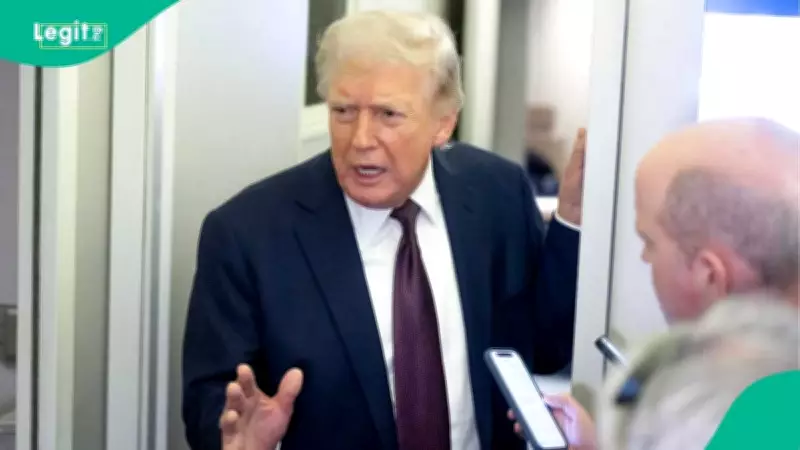
Trump Declares All Iranian Leaders Dead in Remarks on US-Israel Conflict
In a recent press conference addressing the ongoing war between the United States and Israel against Iran, former President Donald Trump of the United States made a bold assertion regarding the leadership of the Islamic Republic of Iran. He claimed that his administration had successfully taken out all of Iran's leaders, stating, "All of their leaders are dead as far as we know."
Details of Trump's Statement on Iranian Leadership
Trump elaborated on his comments, explaining that the United States had targeted and eliminated multiple groups of Iranian leaders. He said, "We knocked out the first group... and the second group got knocked out, they're all dead. Then the third group met. I would think they're a little nervous about meeting." This statement was part of his broader address on the military actions and strategic developments in the Middle East conflict.
The remarks were made in response to questions from journalists covering the war, highlighting Trump's perspective on the effectiveness of US operations against Iranian leadership. He emphasized the impact of these actions, suggesting that the remaining leaders might be apprehensive about convening due to the perceived threats.
Context and Background of the US-Israel War Against Iran
The press briefing focused on the collaborative efforts between the United States and Israel in their military campaign against Iran, a key player in regional tensions. Trump's comments come amid heightened geopolitical strife, with ongoing disputes over nuclear programs, regional influence, and security concerns in the Middle East.
His administration's policies towards Iran have been a contentious issue, marked by sanctions, diplomatic pressures, and military engagements. This latest assertion adds to the complex narrative of US-Iran relations, which have seen periods of escalation and negotiation over the years.
Reactions and Implications of Trump's Claims
While Trump did not provide specific evidence or details to support his claim about the elimination of all Iranian leaders, his statement is likely to spark debates and analyses among political observers, security experts, and international relations scholars. It raises questions about the veracity of such claims and their potential impact on diplomatic efforts and regional stability.
In the broader context, such remarks could influence public perception, media coverage, and policy discussions regarding US foreign policy in the Middle East. They may also affect ongoing negotiations or conflicts involving Iran and its allies.
As the situation evolves, further updates and official responses from relevant parties are anticipated to provide clarity on the actual status of Iranian leadership and the implications for the US-Israel war efforts.