
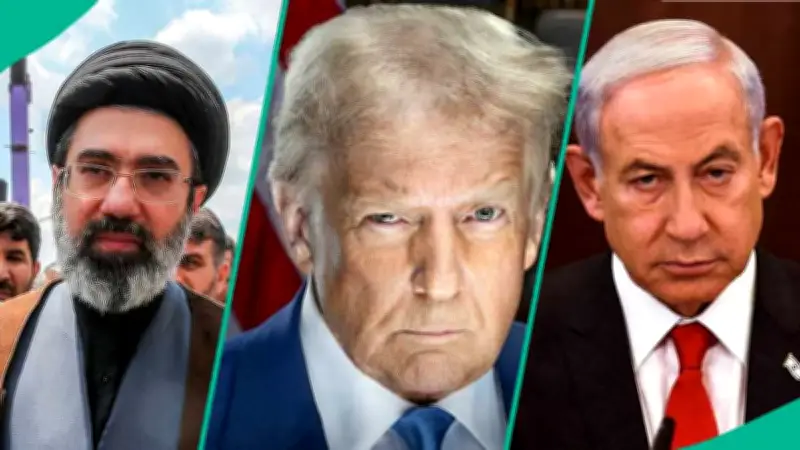
Mediators from Pakistan and Qatar announced that U.S. and Iranian officials had made "encouraging progress" during their first round of talks in Switzerland, which ended early on Monday, June 22, 2026. The parties agreed to a roadmap aimed at ending their war within 60 days, despite a tense start marked by Tehran’s closure of the Strait of Hormuz and threats from U.S. President Donald Trump to resume attacks on Iran.
Strait of Hormuz and Lebanon
According to Reuters, the talks produced a mechanism to halt fighting between Israel and Hezbollah militants in Lebanon, while also opening a communications line to ensure safe passage for commercial ships through the Strait of Hormuz. This waterway is a vital global supply route for oil and liquefied natural gas. Iran cited ongoing violence in Lebanon as its reason for shutting the strait again over the weekend, though traffic partially resumed on Sunday. Israeli President Isaac Herzog said Israel was open to a diplomatic solution but insisted that any deal must prevent Tehran from using funds to support military proxies.
Oil Prices React
Oil markets responded sharply to developments. Prices had surged when Tehran first blockaded the strait, prompting a U.S. naval blockade of Iranian ports. However, after last week’s interim deal, prices fell to their lowest since the war began on February 28. Following Monday’s joint statement, Brent crude dropped further, trading just below $80 per barrel at 0815 GMT, easing fears of a global supply shortage.
Technical Talks Continue
Technical discussions will continue throughout the week at the Qatari-owned Swiss resort of Buergenstock. Iranian Foreign Minister Abbas Araqchi said Tehran had secured waivers for oil and petrochemical exports, the release of frozen assets, and the launch of a reconstruction and development plan.
Separate Accounts of Negotiations
The talks were not without friction. According to Iran’s Tasnim news agency, Trump’s threats led the Iranian delegation to initially refuse to return to the negotiation room, though mediators facilitated communication. A U.S. diplomat countered, saying: "The Iranians never left and are still here meeting and negotiating deep into the night." Vice President JD Vance, who led the U.S. delegation, acknowledged the challenges but stressed progress: "These things are always a little bit messy." He added that Trump had asked negotiators to "turn over a new leaf to transform our relationship with the people of Iran." As part of the interim deal, the U.S. lifted its maritime blockade of Iran. On Monday, a second container ship docked at Shahid Rajaee port in Bandar Abbas, signalling a cautious return to normal trade flows.
US and Iran Presidents Sign Ceasefire Agreement
Legit.ng earlier reported that the United States and Iran released the text of an interim agreement signed by their presidents to end the ongoing war. U.S. President Donald Trump warned that attacks could resume if Iran failed to honour its commitments, saying: "We're going to bomb the hell out of them if they violate the agreement." Iranian President Masoud Pezeshkian also signed the memorandum, marking the first agreement between the two nations since the Islamic Republic’s founding in 1979. Iran’s foreign ministry confirmed the deal was already in effect.




