
US-Israel vs Iran Ceasefire: 10 Critical Facts About the Temporary Truce
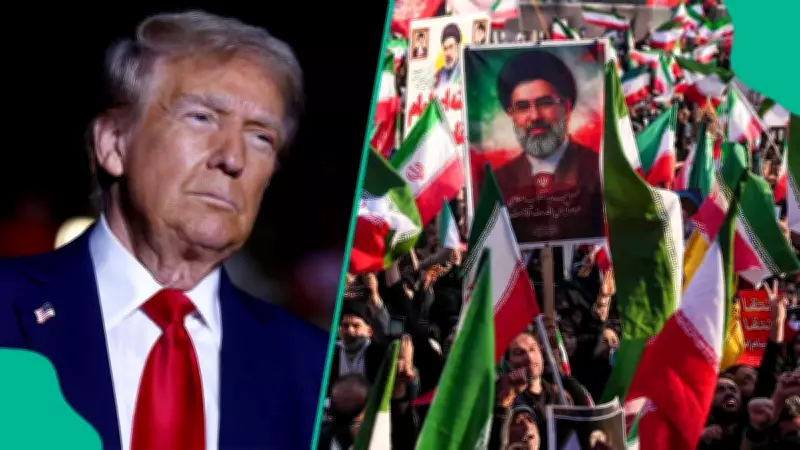
President Donald Trump of the United States declared a ceasefire on Tuesday, April 7, halting his aggressive plan to bomb Iran and "take the country back to the Stone Age." This announcement, which drew widespread condemnation from global leaders, follows a military operation launched by the US and Israel against Iran on Saturday, February 28. The operation resulted in the assassination of Iran's Supreme Leader and thousands of civilian casualties, including 168 schoolchildren.
Ten Essential Points About the Ceasefire Development
Below is a comprehensive list of ten crucial aspects you need to understand about this temporary truce and its broader implications for the Middle East conflict.
- A Temporary Ceasefire
The agreement announced by the United States is expected to last only two weeks. It is designed to pause hostilities rather than achieve a permanent resolution. President Trump described it as a "double-sided ceasefire," while officials from both the US and Iran have emphasized that the agreement is reversible and conditional. - The Strait of Hormuz is Central
A major demand from the United States is the immediate reopening of the Strait of Hormuz, a critical global economic corridor through which at least 20% of the world's oil supplies pass daily. Trump stated that the reopening must be "complete, immediate, and safe" as a precondition for suspending strikes on Iran. - Iran's Ceasefire Condition is Reciprocal
Iran has not declared an unconditional ceasefire. Abbas Araghchi, the Iranian foreign minister, clarified that Iran's military would halt defensive operations only if Israel and the US stop their attacks, indicating a reciprocal approach to the truce. - Formal Talks to Begin in Islamabad
During the two-week ceasefire period, the warring parties are scheduled to meet in Islamabad for discussions. President Trump confirmed that the talks were facilitated by the Pakistani Prime Minister, and Iranian authorities have confirmed their participation, signaling a readiness for diplomatic engagement. - Iran's Ten-Point Demand
Iranian authorities have presented a 10-point peace proposal as a requirement to end hostilities in the Middle East. This proposal goes beyond a temporary ceasefire, advocating for a comprehensive move to end the conflict and prevent further attacks by Israel and the US. - Discrepancies Over Nuclear Power
The Times of India reported that the Farsi version explicitly mentions "acceptance of enrichment" regarding Iran's nuclear program, wording that is completely absent in the English version, complicating negotiations. - Military Action Continues Despite Announcement
Reports indicate that attacks have persisted from both sides even after the ceasefire announcement. Missile and drone attacks have been reported across the Gulf, with the UAE and Qatar working to intercept them. Israel has also launched missile attacks on Lebanon and Iran, while continuing to face retaliatory strikes. - The US Claims Major Progress
President Trump asserted that negotiations between the US and Iran are in an advanced stage, with almost all contentious points agreed upon. This claim suggests Washington's optimism about ending the war, though the specifics of these agreements remain unclear. - Iran's Military Structure Could Delay Full Compliance
Iran's decentralized military structure may hinder uniform implementation of the ceasefire. While state media reports that the Supreme Leader has instructed all units to stop, regional commanders retain some autonomy, potentially affecting compliance. - Fundamental Issues Remain Unresolved
Despite the diplomatic opening, core disputes—including Iran's nuclear program, regional influence, and long-standing geopolitical tensions—remain unsettled. The ceasefire leaves critical concerns like Iran's nuclear stockpile and the Middle East's balance of power intact, indicating that a lasting resolution will require extensive negotiations.
This ceasefire represents a fragile pause in a complex conflict, with underlying issues poised to challenge any long-term peace efforts. The coming weeks will be crucial in determining whether this temporary truce can evolve into a more stable resolution.




