
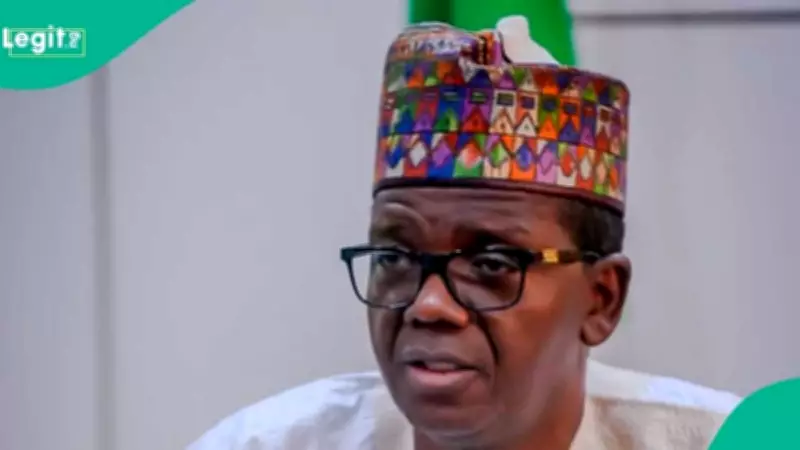
US Congresswoman Accuses Nigerian Defense Minister of Bribery Attempt to Silence Genocide Report
United States lawmaker Kimberly Daniels has made serious allegations against Nigeria's Minister of State for Defense, Bello Matawalle, accusing him of attempting to bribe an American official to suppress critical findings about Christian persecution in Nigeria.
Allegations of Financial Inducement to Change Narrative
According to Congresswoman Daniels, who represents Florida's District 14 in the US House of Representatives, Minister Matawalle allegedly offered money to an American elected official to alter the narrative of the United World Congress of Diplomats (UN-WCD) report on Christian genocide in Nigeria. The viral video released on Daniels' official Facebook account details these explosive claims, which have gained significant attention in international diplomatic circles.
The UN-WCD report reportedly implicates Matawalle in connection with the ongoing violence against Christian communities in northern Nigeria, a situation that has drawn international condemnation and calls for accountability. Daniels maintains that the bribery attempt represents a direct effort to silence criticism and manipulate international perception of the humanitarian crisis unfolding in Nigeria's conflict zones.
Pressure Campaign Against US Lawmaker
Daniels revealed that she has faced considerable pressure from individuals allegedly linked to Minister Matawalle following her recent public statements about the situation in Nigeria. She described this pressure as a coordinated attempt to discredit her reporting and "buy support" from other US-based elected officials who might otherwise speak out against the violence.
"A US elected official was offered money by Nigeria's minister of state defense, Bello Matawalle, to change the narrative of the UN-WCD Christian genocide in Nigeria report," Daniels stated unequivocally in her video statement. She further claimed to possess evidence of communications, including prepared statements and promotional materials purportedly connected to the minister's office.
Broader Context and Previous Calls for Action
These allegations emerge against a backdrop of increasing international scrutiny of Nigeria's security situation. The National Coalition Against Terrorism (NCAT) had previously urged President Bola Ahmed Tinubu to act on Congresswoman Daniels' recommendation to either sack or redeploy Defense Minister Matawalle. NCAT Convener Marvin Ibe cited allegations linking Matawalle to bandit groups during his tenure as governor of Zamfara State as justification for this call to action.
The coalition emphasized the need for urgent measures to restore public confidence and strengthen Nigeria's fight against terrorism, suggesting that leadership changes in the defense ministry might be necessary to achieve these objectives. The UN-WCD itself had sent an urgent message to President Tinubu, highlighting reasons why immediate redeployment of Minister Matawalle might be warranted while simultaneously expressing support for Tinubu's broader security cooperation strategy with the United States.
Daniels' Unwavering Stance Against Violence
Despite the alleged pressure campaign, Congresswoman Daniels remains resolute in her position. She insists that no amount of external pressure can silence her advocacy against the killings of Christians in Nigeria, declaring that attempts to divide American elected officials on this matter will ultimately fail because of their united commitment to human rights principles.
Daniels characterized the alleged bribery attempt as not merely an isolated incident but rather part of a broader pattern of efforts to manipulate international opinion about Nigeria's security challenges. She warned that such tactics undermine both Nigeria's democratic institutions and the credibility of international diplomatic processes designed to address humanitarian crises.
The controversy continues to develop as international observers monitor how both Nigerian and American authorities respond to these serious allegations involving high-ranking officials from both nations. The situation highlights the complex intersection of domestic security challenges, international diplomacy, and accountability mechanisms in addressing widespread violence and human rights violations.




