
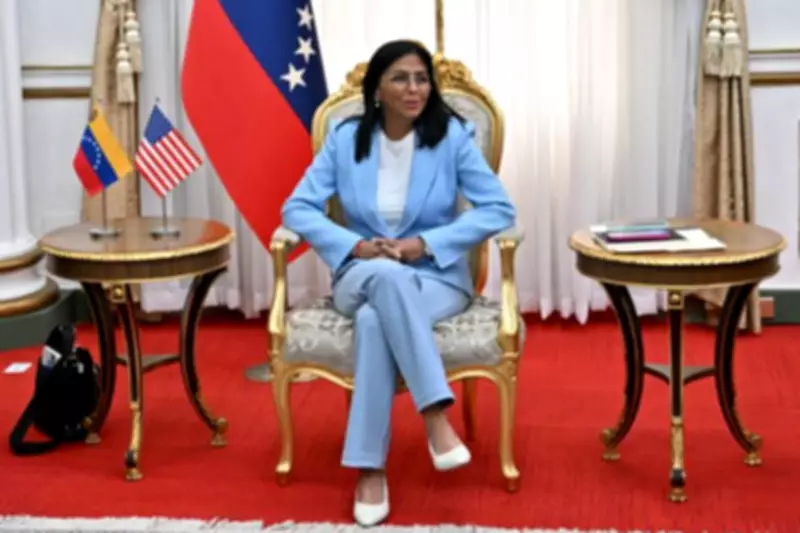
US Lifts Sanctions on Venezuelan Interim Leader Delcy Rodriguez
The United States government has officially lifted sanctions on Delcy Rodriguez, the interim leader of Venezuela, in a move that signals a major shift in Washington's foreign policy approach. This decision, announced on Wednesday, April 1, 2026, involves removing Rodriguez's name from the US Treasury's sanctions list, effectively recognizing her authority following the removal of her predecessor, Nicolas Maduro, in a military operation earlier this year.
Recognition of Authority and Diplomatic Progress
Delcy Rodriguez, who assumed leadership after Maduro's ouster, welcomed the US action, describing it as a positive step toward improving ties between the two nations. In a statement, she expressed hope that this progress would lead to the lifting of additional sanctions against Venezuela and facilitate effective binational cooperation for the benefit of both peoples. Rodriguez emphasized the importance of building a constructive agenda to enhance diplomatic and economic relations.
Background and Context of the Sanctions
Rodriguez, who previously served as vice president under Maduro, had been sanctioned along with other key officials, including Vladimir Padrino Lopez and Diosdado Cabello, for their roles in the former government. These sanctions were part of broader US efforts to pressure the Maduro administration over human rights abuses and political repression. However, since Maduro's removal in a US military operation on January 3, 2026, which resulted in his capture and extradition to New York to face drug trafficking charges, relations between Washington and Caracas have shown signs of improvement.
Domestic and International Implications
Internally, Rodriguez faces the challenge of balancing pressure from Washington with expectations from domestic allies. She dismissed Vladimir Padrino Lopez in mid-March, a move seen as aligning with US interests, while Diosdado Cabello remains in office as one of her main supporters. This delicate balancing act is crucial for maintaining stability in Venezuela's political landscape.
On the international front, the lifting of sanctions is accompanied by other positive developments, such as the reopening of the US Embassy in Caracas earlier this week after a seven-year closure. This resumption of diplomatic operations underscores the thawing of relations and the potential for increased cooperation, particularly in the energy sector, where Rodriguez has been working closely with the Trump administration to open Venezuela's resources to US investment.
Human Cost and Future Outlook
The military operation that led to Maduro's removal was not without controversy, as Venezuelan authorities reported around 100 deaths resulting from the incident. Despite this, the US government has proceeded with its policy shift, focusing on fostering a new era of engagement with Rodriguez's interim government. As sanctions are lifted and diplomatic ties strengthen, the future of US-Venezuela relations appears poised for further normalization, with potential impacts on regional stability and economic opportunities.




