
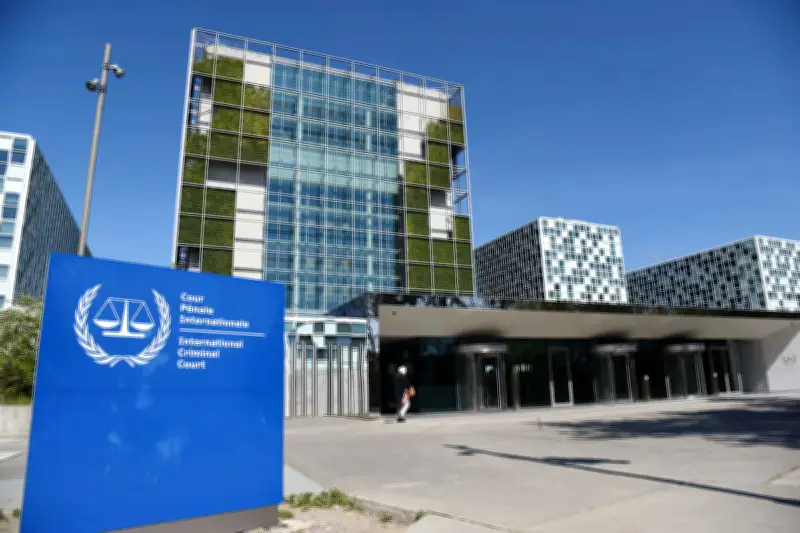
The United States has formally urged Nigeria and several other countries to consider withdrawing from the International Criminal Court (ICC), following Chad's recent exit from the Rome Statute. The call, delivered through diplomatic channels, emphasizes Washington's longstanding criticism of the Hague-based tribunal as politically motivated and ineffective.
US Pressure on ICC Members
In a statement issued by the US State Department, officials argued that the ICC has strayed from its original mandate, targeting African nations disproportionately. "The ICC has lost its way and become a tool for political persecution," said a State Department spokesperson. The US, which is not a party to the ICC, has previously imposed sanctions on court officials and encouraged allies to withdraw.
Chad became the 15th country to withdraw from the ICC since 2016, when Burundi, South Africa, and the Gambia initiated a wave of exits. The US now hopes that Nigeria, as Africa's most populous nation and a key regional player, will follow suit, potentially triggering a domino effect across the continent.
Chad's Withdrawal Sets Precedent
Chad's government cited "neo-colonial interference" and lack of respect for national sovereignty as reasons for its departure. Foreign Minister Mahamat Zene Barka stated, "The ICC has failed to deliver justice for African victims while pursuing baseless cases against our leaders." Chad's exit was formalized on July 15, 2026, after a six-month notice period.
Analysts note that Chad's withdrawal could embolden other African nations critical of the court. Nigeria, which has been a member since 2001, faces internal debate: while some officials see the ICC as a necessary check on impunity, others argue it undermines local judicial systems.
Nigeria's Deliberation
Nigeria's Ministry of Foreign Affairs confirmed receipt of the US request but stated that no decision has been made. "We are reviewing our engagement with the ICC in light of recent developments and will consult with our partners," said a ministry spokesperson. President Bola Tinubu's administration has previously supported international justice mechanisms but faces pressure from nationalist factions and religious groups who view the court as biased against Muslim-majority countries.
The Nigerian Senate is expected to debate the issue next month. Senator Adamu Bello, chairman of the Foreign Relations Committee, noted, "We must weigh the benefits of membership against the cost to our sovereignty. The US argument resonates with many Nigerians who feel the ICC targets Africa unfairly."
Reactions from Other Nations
Other West African nations, including Ghana and Ivory Coast, have also been approached by US diplomats. Ghana's President Nana Akufo-Addo has expressed reluctance to leave, citing the ICC's role in prosecuting war crimes during civil conflicts. However, smaller states like Liberia and Sierra Leone are reportedly considering withdrawal due to financial burdens and perceived ineffectiveness.
Human rights organizations have condemned the US campaign. Amnesty International's West Africa director, Ousmane Diallo, warned, "Withdrawals would create impunity for perpetrators of genocide and crimes against humanity. The ICC remains the only global court for the most serious offenses."
As of July 2026, 123 countries remain parties to the Rome Statute, down from 124 after Chad's exit. The US push threatens to further erode the court's authority, especially if Nigeria—a founding member—leaves. The coming months will reveal whether Washington's diplomatic offensive succeeds or galvanizes renewed support for international justice.




