
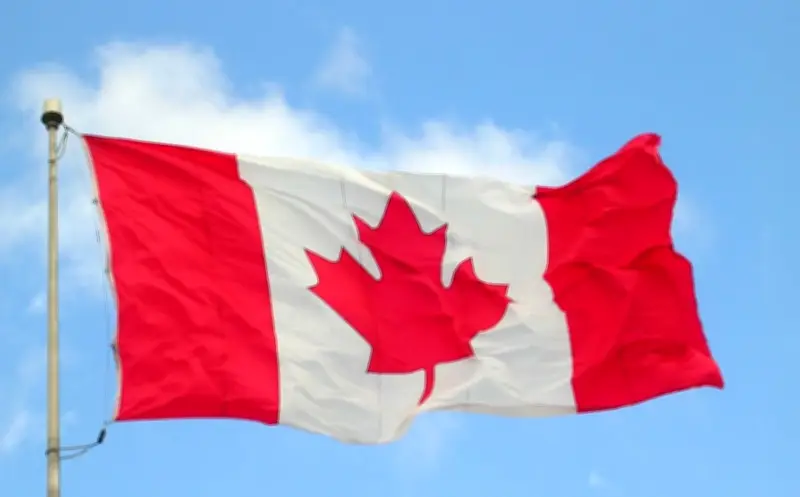
Canada has expanded its online passport renewal service to all eligible adult citizens, marking a major shift in how Canadians obtain travel documents. Immigration, Refugees and Citizenship Canada (IRCC) announced the change on July 28, 2026, with Minister Lena Metlege Diab confirming the rollout.
Key Changes to the Renewal Process
Under the updated system, eligible adults no longer need to mail physical documents or visit a Service Canada office. Instead, applicants can complete the entire renewal digitally by submitting their application form, passport photo, and payment through an online portal. This replaces the previous process that required either postal submission or in-person attendance.
The move is designed to remove barriers for Canadians in rural communities and those with mobility challenges. In-person and mail-in options remain available for those who prefer or require them.
Official Announcement
Announcing the new process on X (formerly Twitter), IRCC stated: “We’re making passport renewal easier for Canadians. Today, Minister Lena Metlege Diab announced that online passport renewal is now available to all eligible adult Canadians. Online passport renewal makes it easier for Canadians to access the services they need, when and where it is most convenient for them. Canadians can complete their passport renewal application online by submitting their application, photo and payment digitally, instead of mailing documents or visiting a Service Canada office. It also supports those who face barriers to in-person services, including people living in rural or remote communities and those with mobility challenges.”
Impact and Context
The digital transformation is expected to benefit millions of Canadians, particularly those in remote areas who previously had to travel long distances for passport services. The government emphasizes that the online system maintains security and efficiency, using encrypted submission channels. Applicants must ensure their photographs meet digital specifications to avoid delays.
This change follows broader efforts by Canada to modernize its immigration and citizenship services. In a related development, Canada also unveiled a Skilled Military Recruits pathway for foreign military personnel seeking permanent residency, though only four invitations were issued in its inaugural draw, highlighting the specialized nature of that category.




