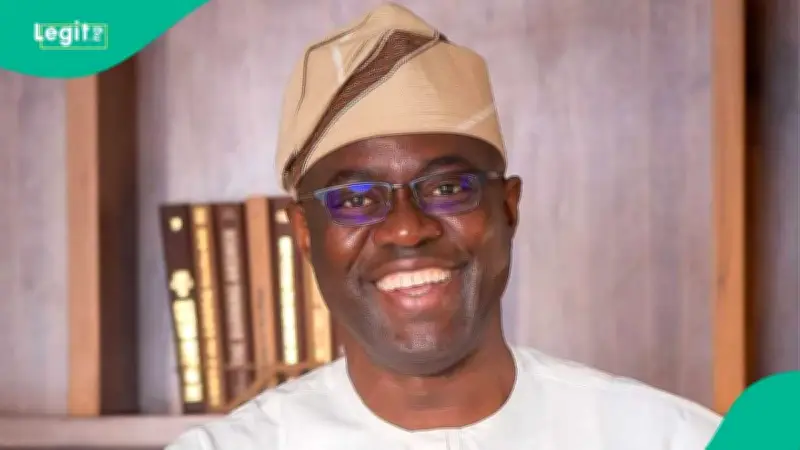
Seyi Makinde, the Allied People's Movement (APM) presidential candidate for the 2027 elections, has ruled out reintroducing the petrol subsidy regime, instead proposing a new pricing framework that would allow Nigerians to benefit directly from the country's crude oil through cheaper domestic supply to refineries.
Speaking on Monday, September 7, 2026, during the inauguration of the APM's presidential campaign headquarters in Abuja, Makinde clarified that his proposal is not a return to subsidy. As reported by This Day, he argued that the benefit of Nigeria's oil wealth should be embedded in petroleum pricing from the point of crude supply for domestic refining.
Why Makinde rejects subsidy return
“That is not my position,” the Oyo State governor said, stressing that the current system layers costs across refining, transportation, distribution and taxation before any intervention is applied at the pump, making relief opaque and inefficient. He argued that pricing domestic crude differently would lower the underlying cost of refined products in a more transparent way.

“My question is, why should crude oil supplied to Nigerian refineries be priced as though Nigeria does not produce crude oil?” Makinde asked, according to Daily Trust.
'Reset Nigeria' agenda and accountability
Makinde also demanded accountability across the entire petroleum value chain. “Nigerians should know what they are paying for, who receives what, and where inefficiencies are increasing the final price,” he said, noting he had consistently raised the issue at the National Economic Council.
The proposal is part of his broader “Reset Nigeria” agenda, which he described as a commitment to ensuring the country's natural resources translate into real benefits for citizens. “Reset Nigeria means we stop accepting systems that nobody can explain. If they explain, we can contribute,” he said.
Peter Obi backs Makinde's bid
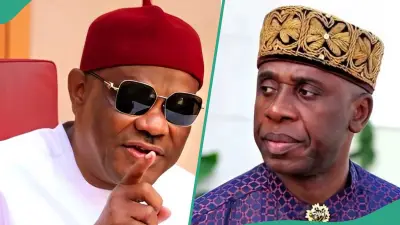
Makinde dismissed suggestions that his presidential bid lacked electoral prospects, drawing on his experience of being underestimated before his first gubernatorial victory in Oyo State. “They may discount one candidate, whether myself or Governor Peter Obi; they may discount us. They may say, 'These people don't mean anything.' But they cannot discount millions of Nigerians united behind a better future,” he said.
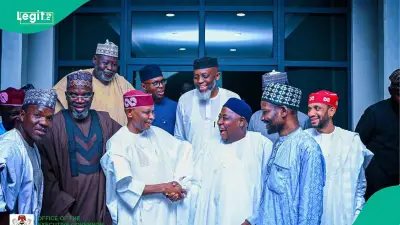
Peter Obi, the Nigeria Democratic Congress (NDC) presidential candidate, made a surprise appearance at the event and declared that Makinde was qualified to contest the 2027 election. “We want the people of Nigeria to make their choice. Whoever they choose, all of us will come together to build a new Nigeria,” Obi said, citing hunger, poverty and insecurity as the problems any future government must prioritise.
Former Niger Governor Aliyu Babangida, who said he represented the legitimate Peoples Democratic Party (PDP), called for opposition unity and argued that security must come first before economic development, agriculture or education could advance. He also backed the position that the South should produce the next president following eight years of northern presidency.
APM Vice-Presidential candidate Mamman Daura described Makinde as one of Nigeria's finest human resources, while APM National Chairman Yusuf Dantalle said the inauguration marked the formal start of the party's push for the 2027 presidency.
Legal challenge and next steps
Previously, Legit.ng reported that hundreds of APM candidates in Oyo State took the party to court to block any attempt to rerun the primaries that produced them as the party's flag bearers for the forthcoming local government elections. The 33 chairmanship and 351 councillorship candidates, who emerged from primaries held across the state on August 3, 2026, filed the suit at the Federal High Court in Ibadan, naming the APM, its National Chairman, the Oyo State Independent Electoral Commission (OYSIEC), and the Independent National Electoral Commission (INEC) as defendants.
The APM's campaign headquarters inauguration marks the formal start of the party's push for the 2027 presidency, with Makinde's proposal on domestic crude pricing set to be a central theme in the campaign.