
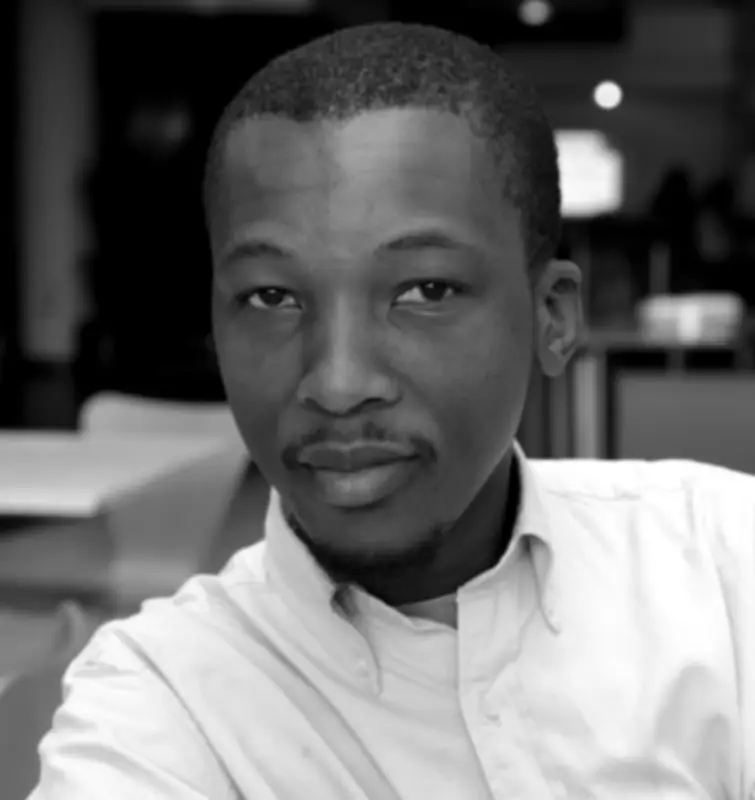
King Mswati III is celebrating 40 years on the throne in eSwatini, a small landlocked kingdom with a population of 1.5 million people. The monarch has been praised for infrastructure development, with major corporations such as Standard Bank and Nedbank, as well as regional leaders, lauding his reign. However, despite a large fan base spanning from Southern Africa to Taiwan and the United States, Mswati's human rights record remains deeply flawed. Activists point to numerous cases of bullying, mysterious deaths, and the targeting of marginalized groups, including the LGBTI+ community.
Grand Celebrations Amid Controversy
The kingdom organized a two-day celebration that drew thousands to the old Somhlolo stadium before moving to the newly built International Convention Centre in Mbabane. The guest list included Lesotho's King Letsie III, Mozambican President Daniel Chapo, Zimbabwean President Emmerson Mnangagwa, Botswana's Duma Boko, and Madagascar's ousted leader Andry Rajoelina. Former leaders Ian Khama and Joseph Kabila, who have resided in eSwatini after stepping down, also attended. Taiwanese President Lai Ching-te was initially blocked by China from traveling to eSwatini but eventually made it, drawing criticism from Beijing.
Human Rights Violations Persist
Critics lament that eSwatini's international friends turn a blind eye to the country's human rights abuses. The banning of a May Day rally in Hlatikhulu went largely unnoticed in neighboring South Africa, which has a large Swazi exile community. Investigative journalist Zweli Dlamini noted that international media focused more on Lai's travel than on the fear and silence within eSwatini. He highlighted the mid-2021 massacre and the killing of human rights lawyer Thulani Maseko, who was shot dead in 2023. Maseko's widow, Tanele Maseko, believes the king ordered the hit.
Political and Economic Challenges
eSwatini's economy is weak, with a GDP of US$4.86 billion and a per capita GDP of US$3,900, ranking 149th globally. While investments in roads and the ICC show modernization, high poverty rates and state-sponsored violence persist. The Tinkhundla system, which the monarchy describes as a link between modern and ancient political systems, is criticized for lacking accountability. A University of eSwatini survey found that 45% of respondents wanted direct elections for MPs and prime ministers, while 25% supported the current system.
Exiled Activists Speak Out
Exiled activists like Pius Vilakati worry that SADC support emboldens the monarch. Vilakati fled eSwatini after his comrade Sipho Jele died in custody for wearing a Pudemo T-shirt. He describes the irony of Mswati hosting ousted leaders like Rajoelina while silencing his own people. Journalist Bheki Makhubu, who was imprisoned with Maseko, notes that even if Tinkhundla were replaced, accountability would remain a problem. The government ignored requests for comment on brutality and reforms.
As the fifth anniversary of the 2021 massacre approaches, pro-democracy activists and organized labor prepare for potential state repression. Yet Dlamini remains optimistic, stating, "Change is inevitable. What we saw in 2021 made people think and reflect."




