
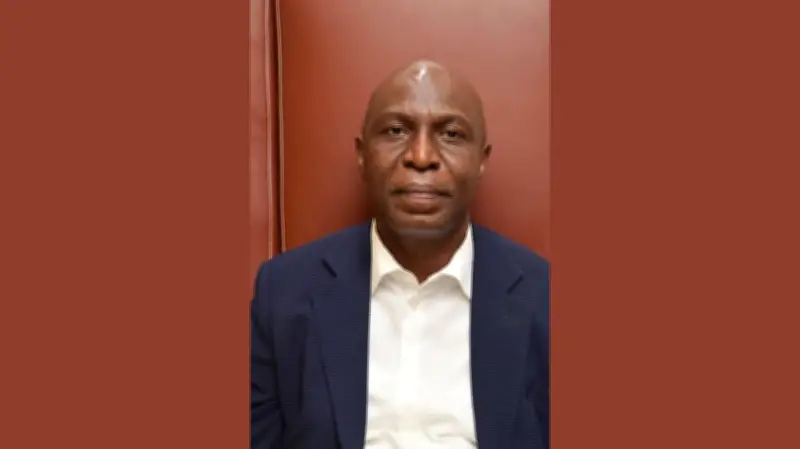
Sam Omatseye, Chairman of the Editorial Board of The Nation newspaper, has called on Christian and Islamic leaders to tone down divisive rhetoric and embrace peace-building efforts to safeguard Nigeria's unity. He warned that insecurity, religious intolerance, and corruption pose serious threats to the nation's corporate existence.
Omatseye's Call at Anniversary Lecture
Omatseye made the call while delivering the Anniversary Lecture of the Resurrection Morning Star Society held at the Committee Room of the Chapel of the Resurrection, University of Ibadan. The event attracted many renowned scholars, including two former Vice-Chancellors of the University of Ibadan (Professors Olufemi Bamiro and Idowu Olayinka), Prof. Akin Iwayemi, Dr. Ganiyu Adeniran, and others.
Speaking on the theme, "Insecurity, Religious Intolerance and Corruption: A Triple Evil Confronting Nigeria's Corporate Existence," Omatseye urged clerics to serve as agents of harmony rather than instruments of division, stressing that religion should unite rather than polarise society.
The lecture, chaired by Emeritus Professor Akinjide Osuntokun, attracted academics, religious leaders, professionals, and public affairs commentators.
Reflections on Nigeria's Past Coexistence
Reflecting on Nigeria's past, the columnist recalled a period in the 1950s, 1960s, and 1970s when Christian communities and Muslim Fulani herders in parts of the Middle Belt coexisted peacefully, describing the relationship as one built on mutual respect, trust, and shared humanity. According to him, the breakdown of that harmony was fuelled by political and administrative decisions that deepened ethnic and religious divisions. He cited the creation of Jos North and Jos South Local Government Areas during the military era as one of the developments that intensified communal tensions and transformed long-standing relationships into violent disputes over land ownership and identity.
Religion Weaponised for Selfish Purposes
Omatseye lamented that religion has been weaponised by political actors and criminal elements for selfish purposes, noting that faith, which ought to foster peace and moral values, is now being manipulated to justify corruption, violence, and territorial entitlement. He described the trend as the emergence of what he termed a "Comfort Society," where criminality, including kidnapping and corruption, thrives under the guise of religious and political interests.
The columnist also traced the roots of violent extremism in the North-East to the activities of the late Boko Haram leader, Mohammed Yusuf, who exploited vulnerable youths by creating alternative social structures that combined welfare support with radicalisation.
Security Challenges in the South-West
Drawing attention to recent security challenges in the South-West, Omatseye described the perpetrators as cowards who manipulate public emotions and media attention to advance their agenda. He urged journalists and media organisations to exercise caution in reporting security issues, warning that excessive publicity often grants criminal groups the attention they seek. According to him, "Bandits thrive on the comfort of news. The media must be careful not to become an unwitting tool in amplifying their terror."
Nigeria as a Mosaic of Identities
Describing Nigeria as a complex but beautiful mosaic of ethnic and religious identities, Omatseye argued that attempts to divide the country along tribal or religious lines would only lead to greater instability. He likened Nigeria to a "coat of many colours," noting that states such as Delta, Plateau, and Kaduna are home to multiple ethnic nationalities whose interests are deeply intertwined. He therefore called on pastors and Islamic scholars to abandon sectarian competition and embrace humility, cooperation, and mutual respect. "Places of worship should not become platforms for rivalry and division. Religious leaders must preach peace and lead by example if Nigeria is to overcome its current challenges," he said.
Osuntokun Backs Concealed Weapons for Security
On his part, Chairman of the occasion, Emeritus Professor Akinjide Osuntokun, argued that the growing threat of kidnapping and violent crime has left many citizens vulnerable, adding that individuals should not be left defenceless in the face of increasing insecurity. Supporting an earlier proposal by a former parliamentarian, Osuntokun maintained that responsible citizens should be allowed to possess legally approved weapons for personal protection. According to him, kidnapping has evolved into a highly profitable criminal enterprise cutting across ethnic, religious, and regional boundaries, making it imperative for citizens to have lawful means of defending themselves.
Chaplain's Call for Moral Values
Also speaking, the Chaplain of the Chapel of the Resurrection, Venerable Victor Oladele, stressed the need for parents to deliberately instil integrity and moral values in children and youths. He lamented that corruption has become deeply entrenched in society, with many families celebrating wealth without questioning how it was acquired. Oladele warned that the erosion of ethical values within families and communities continues to fuel corruption and social decay.
Anniversary Lecture Series
Earlier, the President of the Resurrection Morning Star Society, Professor Olabode Lucas, explained that the lecture formed part of activities marking the society's 34th anniversary. Lucas said the annual lecture series provides a platform for intellectual engagement on critical national issues affecting society. He noted that this year's theme was carefully chosen to address the growing concerns over insecurity, religious intolerance, and corruption, which he described as major obstacles to Nigeria's development.
The professor expressed concern over the nation's current security challenges, citing the recent killing of a Major General by bandits as a painful reminder of the country's vulnerability. He described the incident as a national embarrassment and called for urgent action by government, security agencies, religious leaders, and citizens to reverse the trend. Lucas also urged Nigerians to pray for the country and its leaders, expressing optimism that the nation could still overcome its challenges and fulfil the lofty aspirations envisioned at independence.




