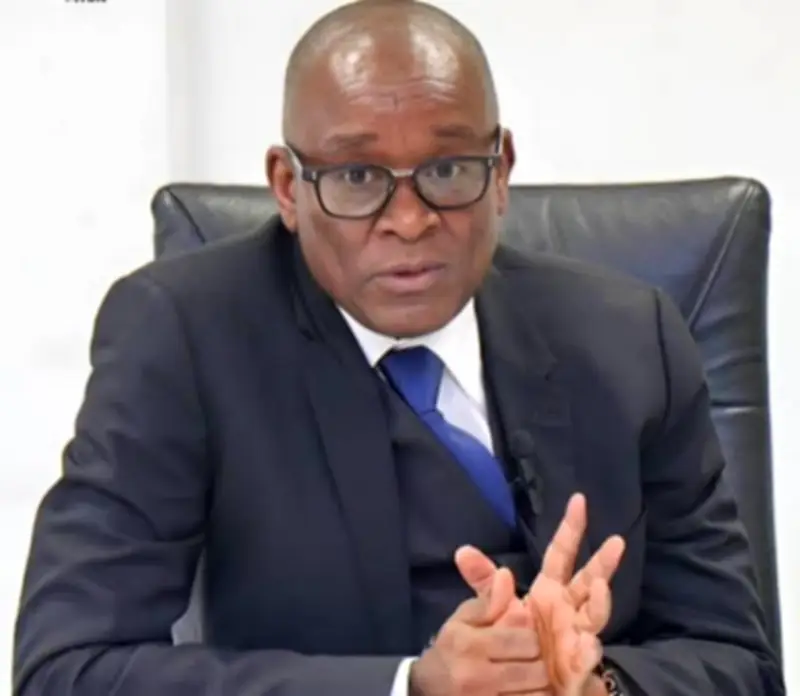
Senator John Owan Enoh, Nigeria's Minister of State for Industry, is emerging as a key driver of President Bola Ahmed Tinubu's Renewed Hope Agenda through the Nigeria Industrial Policy (NIP), launched in February 2026. This landmark initiative, widely regarded as the country's first comprehensive industrial roadmap, aims to shift Nigeria from a consumption-driven economy to a production-oriented one, reducing reliance on oil exports and boosting local manufacturing.
Transforming Nigeria's Economic Landscape
The Nigeria Industrial Policy directly confronts decades of economic challenges, including heavy dependence on crude oil exports and massive imports of manufactured goods. This reliance has contributed to unemployment, foreign exchange pressures, industrial stagnation, and economic vulnerability. The policy introduces a coordinated strategy that integrates energy, finance, infrastructure, trade, skills development, and industrial governance into a unified framework, targeting high-growth sectors like agro-processing, petrochemicals, pharmaceuticals, textiles, leather, plastics, and metals.
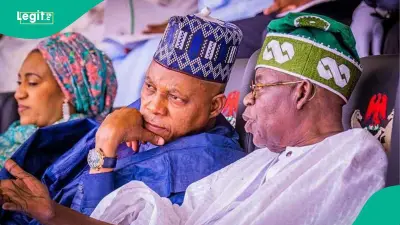
At its launch in Abuja, the policy drew high-profile attendees, including Vice President Kashim Shettima, representing President Tinubu, and Africa's richest man, Aliko Dangote, alongside representatives of the United Nations Industrial Development Organization (UNIDO). Their presence underscored the policy's national significance and the administration's commitment to industrial transformation.
Key Innovations: Local Value Addition and Financing
One of the policy's most innovative aspects is its emphasis on local value addition. Nigeria has long exported raw materials and imported finished products at higher costs. The NIP seeks to reverse this by encouraging domestic processing and manufacturing through proposed local value-addition thresholds and support for local industries, aligning with the administration's "Nigeria First" philosophy and creating wealth within the country.
Financing is another critical component. Recognizing that access to affordable long-term capital is a major obstacle for Nigerian manufacturers, the policy plans to recapitalize the Bank of Industry and establish specialized intervention funds running into trillions of naira. This financial support aims to help manufacturers and entrepreneurs expand production, create jobs, and compete globally.
Industrial Clustering and Accountability
The industrial clustering strategy promotes hubs like the Idu Industrial Cluster, providing shared infrastructure, stable electricity, logistics support, and lower production costs for Micro, Small, and Medium Enterprises (MSMEs). This approach recognizes that industrialization thrives within integrated ecosystems that support innovation and productivity.
Senator Owan-Enoh has insisted on execution and measurable outcomes. Unlike previous policies that stalled, the NIP includes a structured implementation framework through the Industrial Revolution Work Group, complete with performance indicators and periodic reviews. This emphasis on accountability reflects a practical understanding that economic transformation is measured by results, not intentions.
National Industrial Manpower Summit: Building Skills
Beyond the policy, Senator Owan-Enoh is championing human capital development through the forthcoming National Industrial Manpower Summit (NIMS), scheduled for October 2026 at the Presidential Villa in Abuja. The summit's theme, "Unlocking Nigeria's Human Capital for Industrial Transformation: Building Skills, Driving Innovation and Creating Prosperity," addresses the critical need for a skilled workforce. It brings together government agencies, industry leaders, academic institutions, and international partners to address Nigeria's skills deficit.
The summit complements the Industrial Training Fund's Skill-Up Artisans Programme (SUPA), which aims to certify and empower millions of Nigerian artisans and technicians. This holistic approach recognizes that factories alone do not create prosperity; skilled people do.
Expected Benefits and Strategic Implications
The expected benefits of the NIP are immense. By promoting domestic manufacturing, the policy will reduce import dependence, conserve foreign exchange, stimulate industrial investments, and create employment for millions of Nigerians. It will also strengthen Nigeria's position within the African Continental Free Trade Area (AfCFTA), enabling local manufacturers to compete more effectively across regional and global markets.
Aliko Dangote's endorsement, given his billions of dollars in investments in Nigeria's industrial sector, reflects confidence in the Ministry of Industry's reforms. The Nigeria Industrial Policy and the National Industrial Manpower Summit together reveal a coherent strategy: one creates the industrial ecosystem, while the other develops the human capital to sustain it. As implementation gathers momentum, Senator Owan-Enoh's efforts have laid a formidable foundation for industrialization, economic diversification, job creation, and sustainable prosperity, aligning seamlessly with President Tinubu's Renewed Hope Agenda by providing practical mechanisms to translate economic growth into improved livelihoods for ordinary citizens.