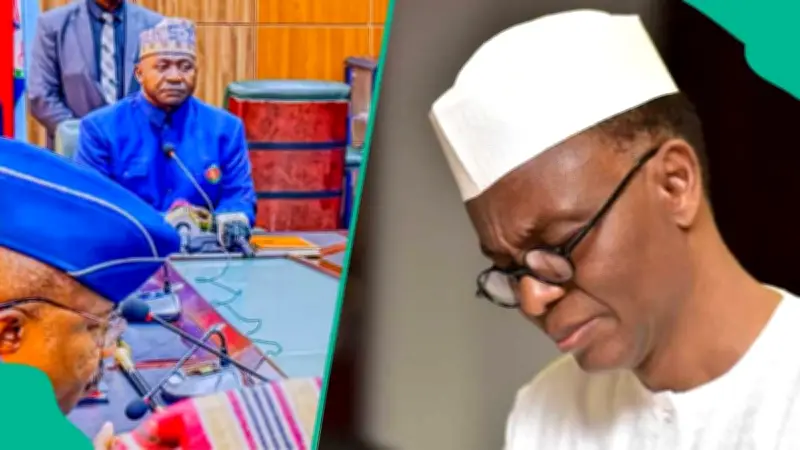
Senator Shehu Sani, the All Progressives Congress (APC) senatorial candidate for Kaduna Central, has accused the Northern elite and the wider public of living in denial about what is driving insecurity across the region, saying many prefer to point fingers at outsiders rather than confront uncomfortable truths closer to home.
Sani's Facebook Post and the Context of Defense Minister's Criticism
Sani made the remarks in a Facebook post on Tuesday, July 29, 2026, days after Defence Minister Christopher Musa publicly criticised former Kaduna governor Nasir El-Rufai over allegations that he stoked crisis in Southern Kaduna while serving as governor. That criticism drew a backlash from many Northern voices, which appeared to prompt Sani's intervention.
Sani Faults Northern Leaders Over Insecurity
The former senator argued that both banditry and Boko Haram terrorism did not arrive in the North from outside. He said criminal gangs gave rise to the banditry problem within the region before it spread nationwide, and that the Boko Haram insurgency, which later spilt into Cameroon, Chad, and Niger, also had its origins in Northern Nigeria.

Sani said the pattern of blame-shifting has followed a predictable path across three administrations. He argued that Northerners blamed former President Goodluck Jonathan for insecurity, then "skipped and pampered" former President Muhammadu Buhari despite his failure to resolve the crisis, and are now directing the same criticism at President Bola Tinubu. In his view, the leaders who had the greatest responsibility to address the problem, those from the region itself, have largely escaped scrutiny.
He said communities across the North have endured violence for nearly two decades while their leaders faced little accountability. Rather than holding those leaders responsible, or confronting the bandits and terrorists carrying out attacks, he said public anger is being channelled towards scapegoats.
Sani Faults Northern Elites and Masses
Sani used a pointed comparison to describe the attitude he observed, saying Northerners who protect the image of leaders who failed them resemble patients who refuse to accept their own medical diagnosis. He said people march over the graves of victims while defending the very figures whose inaction allowed the violence to persist.
The senator's comments reflect growing tension within Northern political circles over how to assign responsibility for a security crisis that has displaced millions and claimed thousands of lives across the region.