
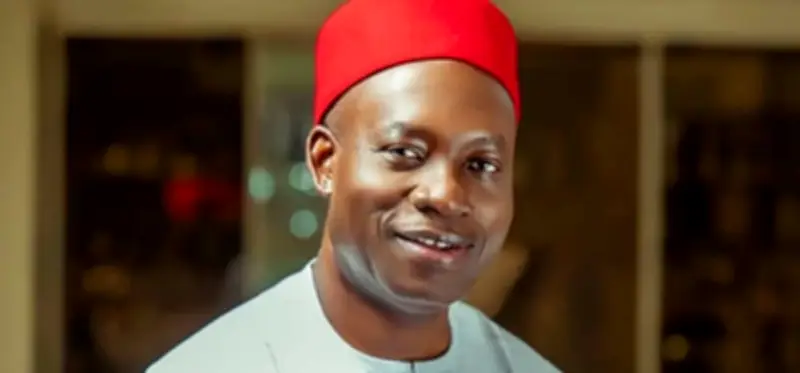
Governor Chukwuma Soludo of Anambra State has explained the rationale behind the state government's decision to withdraw from a World Bank loan, a move that has sparked discussions among residents and stakeholders. The withdrawal, which was announced earlier this year, is part of the administration's broader fiscal strategy to avoid unsustainable debt and prioritize internally generated revenue.
Why Anambra Pulled Out
Speaking at a town hall meeting in Awka, Soludo stated that the loan, which was intended for infrastructure development, came with conditions that were not favorable to the state's long-term economic goals. "We looked at the terms critically and realized that the borrowing would not add the necessary value to our people," Soludo said. He emphasized that the state's debt profile is already a concern, and taking on more loans without clear returns would be irresponsible.
The loan, reportedly worth $200 million, was part of the World Bank's State Fiscal Transparency, Accountability and Sustainability (SFTAS) program. However, Anambra's withdrawal means the state will forfeit potential funding for projects like road construction and water supply, but Soludo insists that the state can fund these projects through improved tax collection and other revenue streams.
Impact on Development Projects
The decision has raised questions about the fate of ongoing projects that were expected to benefit from the loan. According to the Anambra State Ministry of Economic Planning, at least 15 road projects and 3 water schemes were earmarked for funding under the loan. However, the state government has assured citizens that these projects will be reprioritized and funded through the state's 2026 budget, which allocates 45% of its N500 billion total to capital expenditure.
"We are not abandoning any project. We are simply changing the source of funding to ensure that we do not mortgage the future of our children," Soludo added. The governor also noted that the state's internally generated revenue (IGR) has grown by 30% since 2022, reaching N50 billion annually, which provides a more sustainable basis for financing development.
Reactions from Experts and Citizens
Economic analysts have mixed views on the withdrawal. While some commend Soludo for fiscal prudence, others warn that forgoing international loans could slow down infrastructure development. Dr. Emeka Nwankwo, an economist at Nnamdi Azikiwe University, said, "Anambra's decision is bold but risky. The state must ensure that alternative funding sources are reliable, otherwise, projects will stall."
Residents in Awka expressed support for the governor's stance, with a trader, Mrs. Ngozi Okeke, saying, "We are tired of loans that end up being mismanaged. If the government can use our taxes wisely, we will be happy."
Next Steps for Anambra
The state government plans to introduce a new fiscal strategy that includes expanding the tax base and partnering with private investors. Soludo hinted that the state is in talks with several development partners for grants and technical assistance that do not require repayment.
"We are open to partnerships that align with our vision, but we will not take loans that do not make economic sense," he concluded. The state is expected to present its revised budget to the House of Assembly in the coming weeks, which will detail how the affected projects will be funded.




