
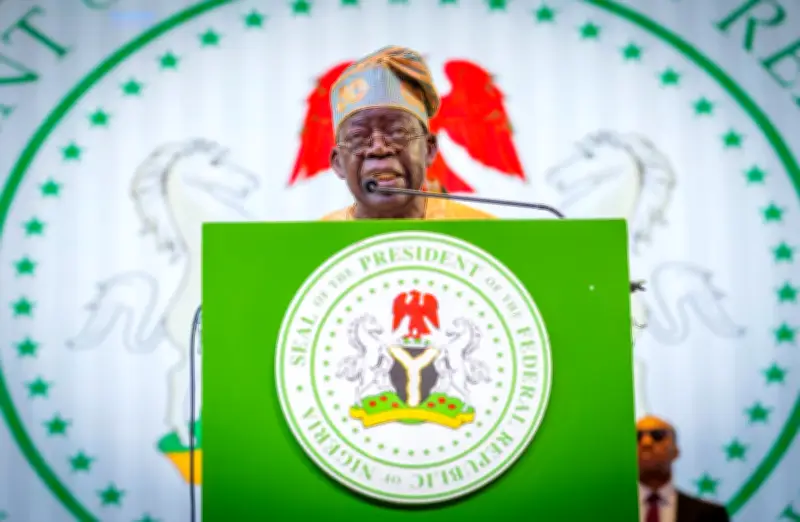
President Bola Tinubu declared on Friday that the reforms implemented by his administration since its inauguration have successfully restored stability and credibility to economic management. In his Democracy Day address, Tinubu highlighted that federation revenues have increased, enabling state and local governments to allocate more resources to infrastructure, education, healthcare, and security. He also noted improvements in fiscal transparency, reduced leakage, and better targeting of public funds toward national priorities. Additionally, investor confidence has returned, with growing investments in agriculture, energy, manufacturing, technology, mining, transportation, and creative industries.
Reforms Since Taking Office
Since assuming office three years ago, President Tinubu has pursued a series of reforms aimed at accelerating economic growth and attracting international investors. Key measures include the abolition of petrol subsidies, which had drained the treasury of trillions of naira annually and burdened public finances. However, this move has significantly increased the cost of living, with energy, transportation, and food prices reaching unusually high levels. The government also unified the foreign exchange market by collapsing multiple segmented exchange rate windows into a single market-driven system, allowing the naira to be determined by supply and demand rather than a pegged rate. The naira has been substantially devalued to boost foreign investments, though this has fueled inflationary pressures.
Tax and Monetary Policy Overhauls
In addition, Nigeria has overhauled its tax system to raise the tax-to-GDP ratio, revised the methodology for calculating inflation, rebased its GDP, and adopted orthodox monetary policies to curb inflation. These measures have yielded broad macroeconomic improvements, with net foreign exchange reserves rising to $35 billion by the end of 2025 from $4 billion two years earlier. Despite these gains, the reforms have yet to significantly impact livelihoods.
Ongoing Hardship and IMF Projections
The International Monetary Fund reported on Tuesday that living conditions in Nigeria remain difficult, with poverty reaching 63 percent and 27 million Nigerians expected to face food insecurity later this year. The IMF anticipates that higher global fuel, food, and fertilizer prices will boost exports and fiscal revenues but also drive inflationary pressures, potentially worsening poverty and food insecurity. President Tinubu acknowledged in his speech that many Nigerians continue to experience economic hardship, but he assured that the government is focused on taming inflation, increasing food production, generating employment, improving living standards, and creating conditions for sustainable prosperity.




