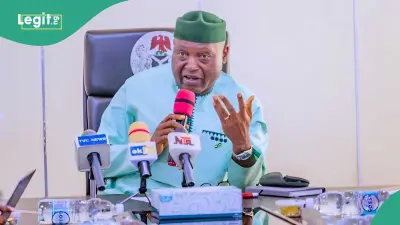
Nigerian lawyer Emeka Ugwuonye has ignited a debate with his assertion that a spouse cannot simultaneously file for divorce and accuse a third party of “snatching” the same spouse. In a video shared on social media, Ugwuonye, who previously represented May Yul-Edochie, argued that these two actions are legally and logically incompatible.
Legal Contradiction in Divorce and Snatching Claims
Ugwuonye stated: “Once you have filed for divorce seeking to dissolve the marriage between you and your spouse, it is taken that the marriage has broken irretrievably. After filing for a divorce, you cannot go back and begin to file for your spouse. You cannot continue to say somebody snatched your husband after filing for divorce.”
He emphasized that the act of filing for divorce itself acknowledges the marriage is over, making any subsequent claim of “snatching” inconsistent. According to Ugwuonye, a person cannot in one breath seek to legally end a marriage and in the next accuse someone of stealing the spouse they are trying to divorce.
Social Media Reaction and Legal Implications
The video, shared on Instagram by Lindaikejiblog, has sparked widespread discussion. Many Nigerians have weighed in on the legal and emotional aspects of the argument. Some agree with Ugwuonye, noting that divorce filings are a clear indication of a broken marriage. Others argue that the emotional pain of a spouse leaving can still coexist with a legal divorce process.
Ugwuonye’s comments come amid high-profile divorce cases in Nigeria, where accusations of “spouse snatching” often accompany marital breakdowns. His statement highlights a potential legal contradiction: if a marriage is deemed irretrievably broken for divorce purposes, then the concept of “snatching” loses its legal standing.
Legal experts note that Nigerian divorce law requires proof of irretrievable breakdown, which is established by filing. Once filed, the marriage is considered ended in the eyes of the law, making it legally impossible for a third party to “snatch” a spouse who is already being divorced.
However, some commentators point out that the emotional and social dimensions of marriage may not align perfectly with legal definitions. The debate continues as Nigerians discuss the intersection of law, emotion, and societal expectations in marital disputes.