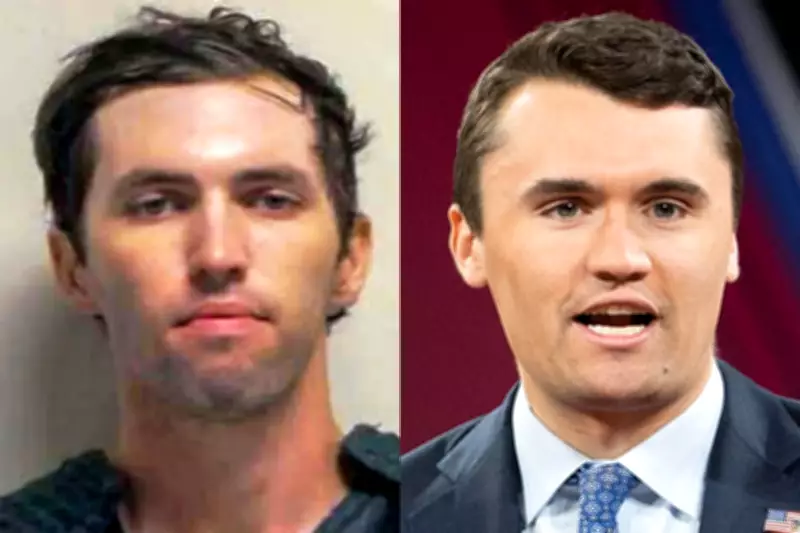
Defense Moves to Ban Courtroom Cameras in High-Profile Murder Case
In a significant legal maneuver, attorneys representing Tyler Robinson, the man accused of fatally shooting conservative activist Charlie Kirk, have formally petitioned a judge to prohibit cameras from the courtroom. Robinson is scheduled for a hearing this Friday, where his defense team will argue that sensationalized and biased media coverage is severely undermining his constitutional right to a fair trial and corrupting the potential jury pool.
Allegations of Media Sensationalism and Vilification
The defense's filing cites multiple instances of what they label "media sensationalism," including a controversial report by the New York Post. That report employed a "lip-reading analysis" to assert that Robinson confessed during an inaudible courtroom conversation last December. Robinson's lawyers contend that live stream coverage has deviated from its intended educational purpose, now primarily serving "advertising profit, sensationalism, and the vilification of Mr. Robinson."
"The predominant purpose being served by the live stream coverage has not been the educational reporting of court proceedings, but rather advertising profit, sensationalism, political agendas, and, most prominently, the vilification of Mr. Robinson," his attorneys wrote in their formal submission to the court.
Judicial Concerns and Legal Precedents
Judge Tony Graf, presiding over the case, has previously voiced concerns regarding courtroom decorum. During earlier hearings, Graf was compelled to interrupt proceedings after cameras captured footage of Robinson's shackles and provided close-up shots. The defense argued these images invited further speculative "lip-reading" by media outlets. While Utah state law allows judges discretion over the use of courtroom cameras, such equipment is typically prohibited in federal courts, highlighting the legal complexities at play.
Prosecution and Advocates Push for Transparency
In opposition, prosecutors, several media organizations, and Erika Kirk, the widow of Charlie Kirk, are advocating vigorously for continued camera access. They maintain that transparency is the most effective mechanism to combat misinformation and conspiracy theories swirling around this high-profile case. They argue that public scrutiny ensures accountability and deters speculative narratives from gaining traction.
Case Background and Legal Proceedings
Tyler Robinson, who recently celebrated his 23rd birthday, faces aggravated murder charges for the September 10 shooting at Utah Valley University. Prosecutors have announced their intention to seek the death penalty, underscoring the gravity of the allegations. While the defense is currently seeking to delay the preliminary hearing scheduled for May, prosecutors have pointed to forensic evidence as central to their case. This evidence includes DNA recovered from the murder weapon and alleged text messages that they claim are pivotal to establishing guilt.
The upcoming hearing will critically examine the balance between public access and the defendant's right to a fair trial, setting a potential precedent for how high-stakes cases are covered by the media in the future.