Lawyer Aloy Ejimakor Condemns Federal Government's Move to Label IPOB as Terror Sponsors
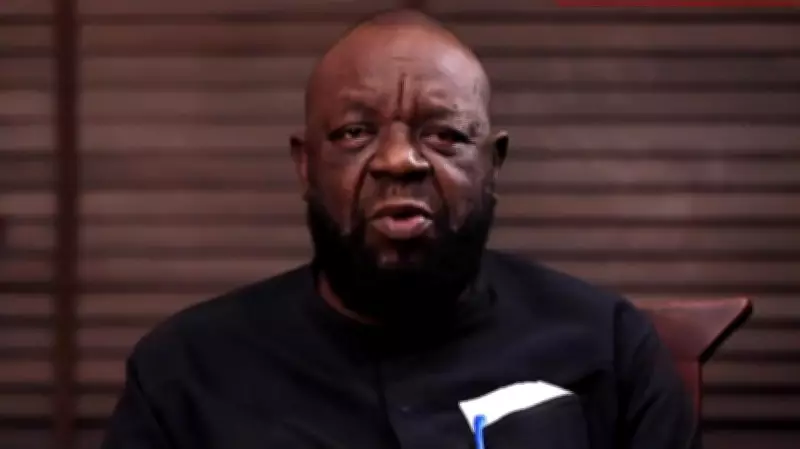
Aloy Ejimakor, the legal representative for Nnamdi Kanu, the detained leader of the Indigenous People of Biafra (IPOB), has issued a sharp rebuke against the Federal Government of Nigeria. His criticism centers on the government's recent decision to list IPOB among entities designated as sponsors of terrorism within the country.
Details of the Controversial Terrorism Sponsors List
The list, published on the official website of the Nigeria Sanctions Committee (NSC), includes a wide array of individuals and organizations. Among them are Simon Ekpa, a Finland-based factional leader of IPOB, and Tukur Mamu, the publisher of Desert Herald. The compilation also names numerous other individuals such as Abdulsamat Ohida, Mohammed Sani, and Abdurrahaman Abdurrahaman, along with entities like G.Side General Enterprises and Desert Exchange Ventures Limited.
Notably, IPOB is grouped alongside recognized terror organizations such as Boko Haram and the Islamic State West Africa Province (ISWAP) in this document. This categorization has sparked significant controversy and legal debate, given the ongoing judicial proceedings involving the group.
Ejimakor's Legal Argument and Accusation of Contempt
In response to the publication, Ejimakor has publicly denounced the Federal Government's action, describing it as a clear act of contempt of court. He emphasized that there is a pending case before the Supreme Court of Nigeria concerning IPOB, making the matter subjudice. Ejimakor stated, "The recent publication by the Federal government naming the #IPOB amongst terrorist sponsors is CONTEMPT of Court, because the case is still pending before the Supreme Court & therefore subjudice."
He further clarified his direct involvement in the legal process, noting, "I know this for a fact, because I personally signed & filed the appeal." This statement underscores his firsthand knowledge of the case and reinforces his position that the government's move could undermine judicial proceedings and due process.
Broader Implications and Reactions
The inclusion of IPOB in the terrorism sponsors list has raised questions about the timing and motivations behind the Federal Government's decision. Legal experts and human rights advocates are closely monitoring the situation, as it touches on issues of free speech, political dissent, and the rule of law in Nigeria. Ejimakor's remarks highlight a potential clash between executive actions and judicial independence, which could have far-reaching consequences for the country's legal framework and international perceptions.
As the Supreme Court case progresses, this development adds a layer of complexity to the ongoing discourse surrounding IPOB and its activities. Stakeholders are calling for restraint and adherence to legal protocols to ensure that all parties receive a fair hearing without prejudicial interference from governmental bodies.