FIDA Advocates for Enhanced Legal Frameworks and Accountability to Tackle Gender-Based Violence in Lagos
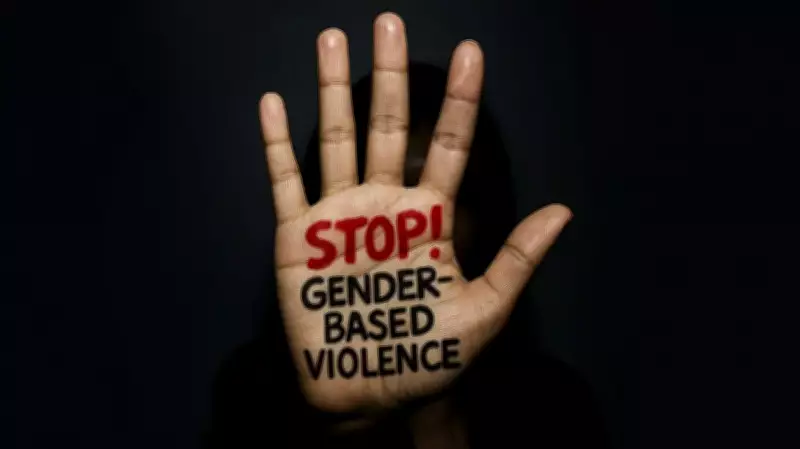
The International Federation of Women Lawyers (FIDA) Nigeria has strongly advocated for the implementation of more robust, gender-responsive legislation and increased accountability from both religious and community leaders to effectively curb the escalating issue of Gender-Based Violence (GBV) in Lagos State. This urgent call was made during a one-day dialogue organized in collaboration with the Ford Foundation, which brought together key stakeholders from the judicial sector to address the persistent challenges in combating GBV.
Strengthening Laws and Addressing Enforcement Gaps
In her welcome address, Clara Mbachu, Vice Chairperson of FIDA, who represented Chairperson Eliana Martins, emphasized the critical necessity of reinforcing laws designed to protect women and girls. She pointed out that while numerous GBV laws are already in place, their effectiveness is frequently compromised by weak enforcement mechanisms, inconsistencies in application, and a lack of alignment with evolving societal dynamics. Mbachu highlighted that this dialogue builds upon FIDA Nigeria's 2025 stakeholders' engagement, which identified significant gaps such as poor institutional coordination, insufficient survivor support systems, and low levels of public awareness regarding GBV issues.
This year's session specifically focused on harmonizing state laws with national statutes and international human rights standards, while also tackling how cultural and religious beliefs impact enforcement efforts. Mbachu stressed that addressing GBV extends beyond mere legislation; it requires confronting harmful social norms and practices that obstruct justice for victims. She underscored the importance of sustained collaboration, enhanced accountability, and continuous monitoring of implementation initiatives to ensure meaningful progress.
Role of Religious Institutions and Community Engagement
Fikih Obaro, Senior Project Manager at FIDA Nigeria, spoke on the topic of safeguarding within religious spaces, advocating for the development and strict enforcement of structured safeguarding policies in faith-based institutions to better protect women and girls. Obaro noted that recent engagements have revealed the need for "homegrown" policies and codes of conduct tailored specifically to religious environments, emphasizing that religious leaders must take proactive responsibility for implementing and enforcing these measures to guarantee accountability and safety.
Additionally, Dr. Ihuoma Ilobinso from the Faculty of Law at the University of Lagos (UNILAG), who facilitated the dialogue, highlighted the crucial importance of collaboration between religious leaders and government agencies in the fight against GBV. Ilobinso described Nigeria as a deeply religious society where faith leaders hold significant influence over public attitudes and behaviors. She asserted that while laws are fundamental, real progress depends on community actors actively educating citizens about the dangers of GBV and promoting cultural shifts. Ilobinso called on the government to ensure proper enforcement of existing laws, allocate adequate funding to relevant institutions, and conduct regular policy reviews to uphold protection for women and all victims of violence.
Consensus on Partnerships for Lasting Change
Participants at the event unanimously agreed that sustained partnerships among government bodies, religious institutions, and civil society organizations are essential for achieving lasting change and preventing gender-based violence. This collaborative approach is seen as vital to overcoming the multifaceted challenges posed by GBV, including legal, social, and cultural barriers. The dialogue reinforced the need for a comprehensive strategy that integrates stronger legislation, community education, and accountable leadership to create a safer environment for women and girls in Lagos State and beyond.